


Designation
College of Saint Benedict
Current occupation
Department of Life Sciences
Ownership
University of Coimbra
Art-historical characterisation
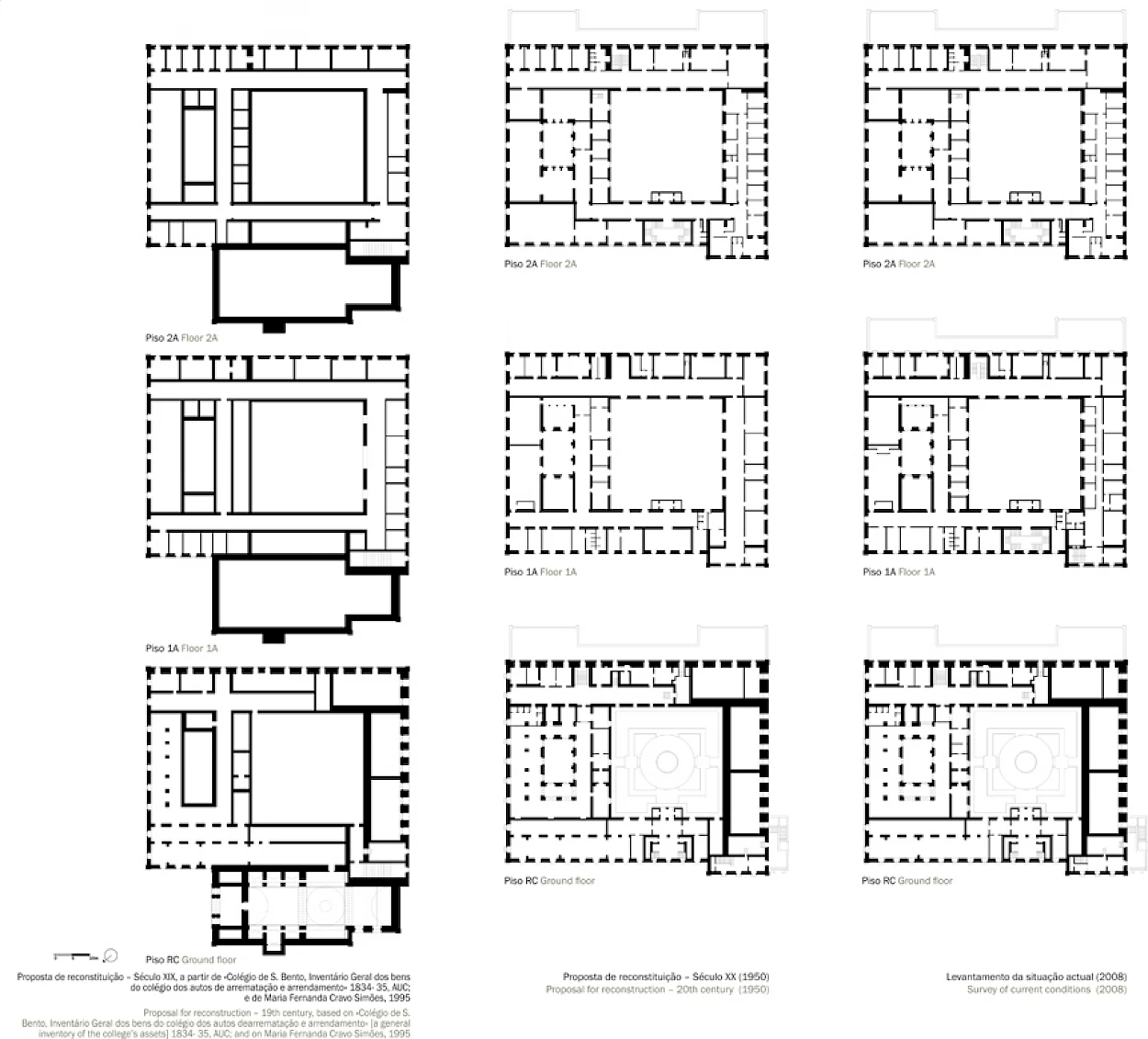
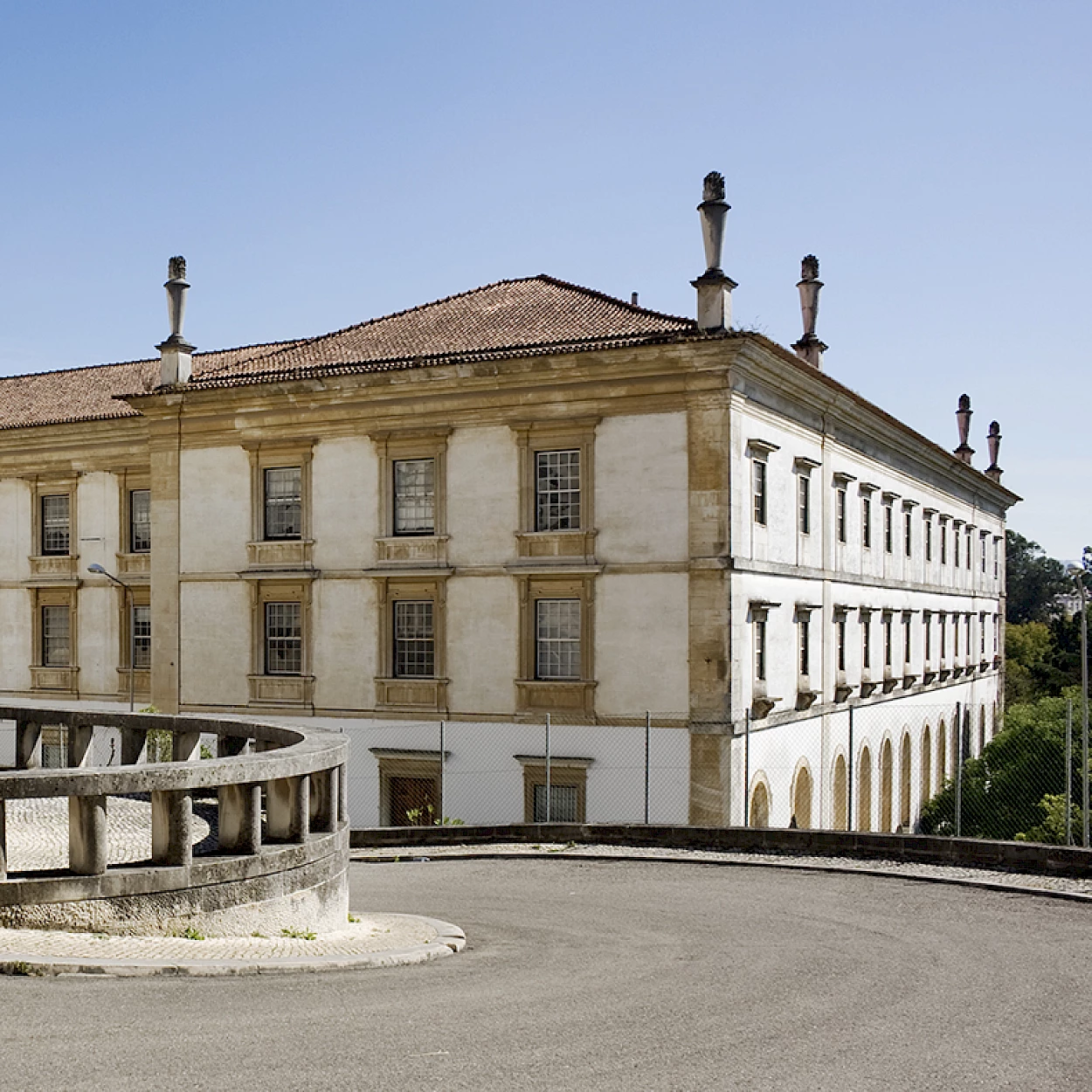
The College of Saint Benedict of Coimbra, which was intended for the study of Arts and Theology throughout its existence, was founded in 1555 by Friar Diogo de Murça, a Jerome monk and commendatary of the monastery of Saint Michael of Refojos de Basto, who, in 1549, obtained authorisation from the Pope to found three colleges in Coimbra with the monastery's income, one for the order of St Benedict, another for the order of St Jerome and the third for poor collegians.
The College, one of the largest in the city, surpassed only by the Jesuit College, took years to build, with the church being the last part to be erected, only consecrated in 1634, with the collegians who had inhabited it for a long time using a temporary chapel.
With a single nave, six side chapels and a dome over the transept, the church was densely decorated, as shown by the surviving stones of the main chapel’s dome, now kept in the woods of the Botanical Garden and under study. The decoration of these stones present an aesthetic sense typical of the city and far removed from what was being done in Portugal at the time, partly due to the legacy of João de Ruão, a sculptor of French origin who worked in Coimbra until his death in 1580, and who trained a whole generation of stonemasons here specialising in sculptural ornamentation.
The church no longer exists, having been destroyed in 1932, already in advanced disrepair, to allow the opening of Arco da Traição street.
In 1772, as part of the profound reform of the University carried out under the direction of the Marquis of Pombal, the college ceded part of its fence to plant the Botanical Garden, considered essential for the practical and experimental study of living species.
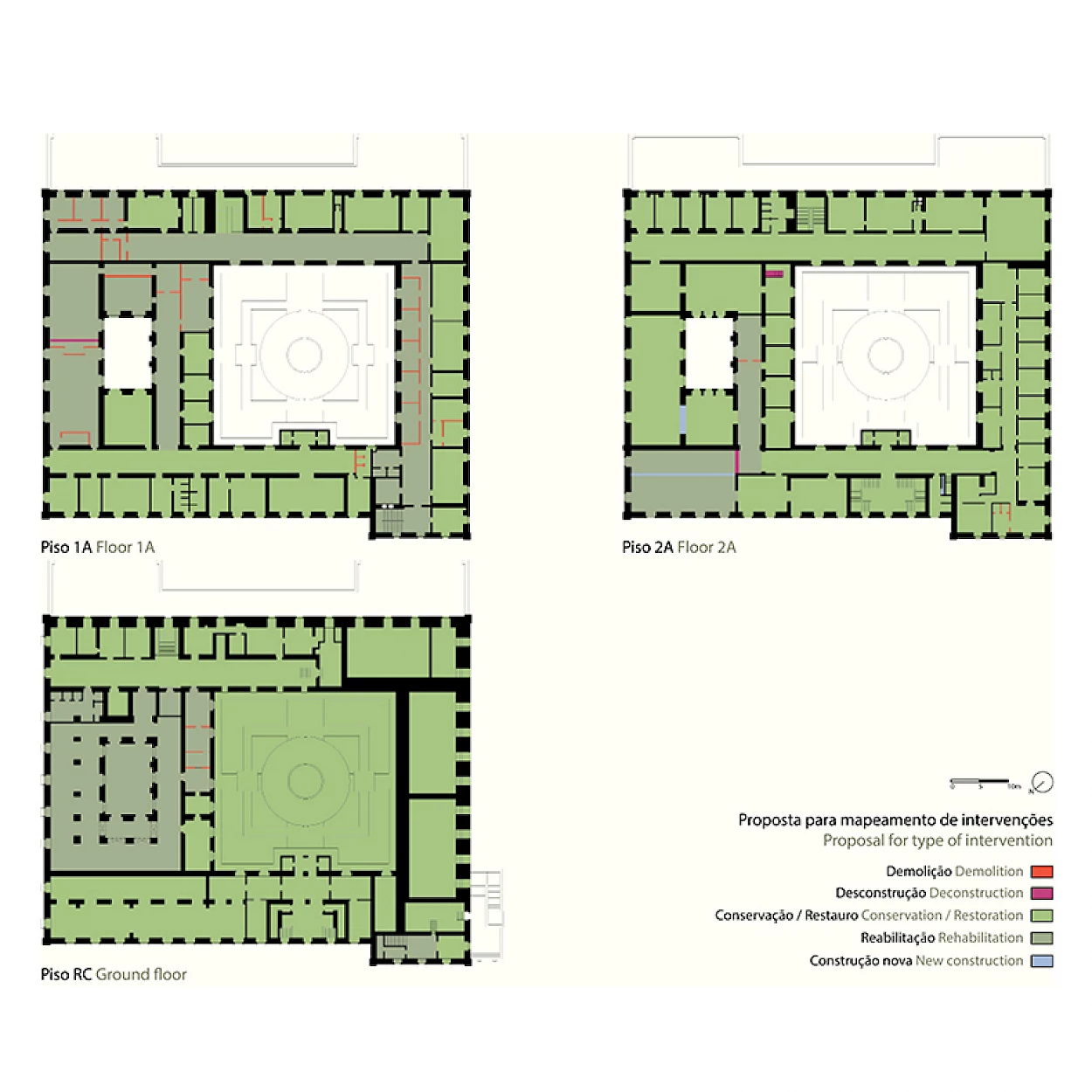
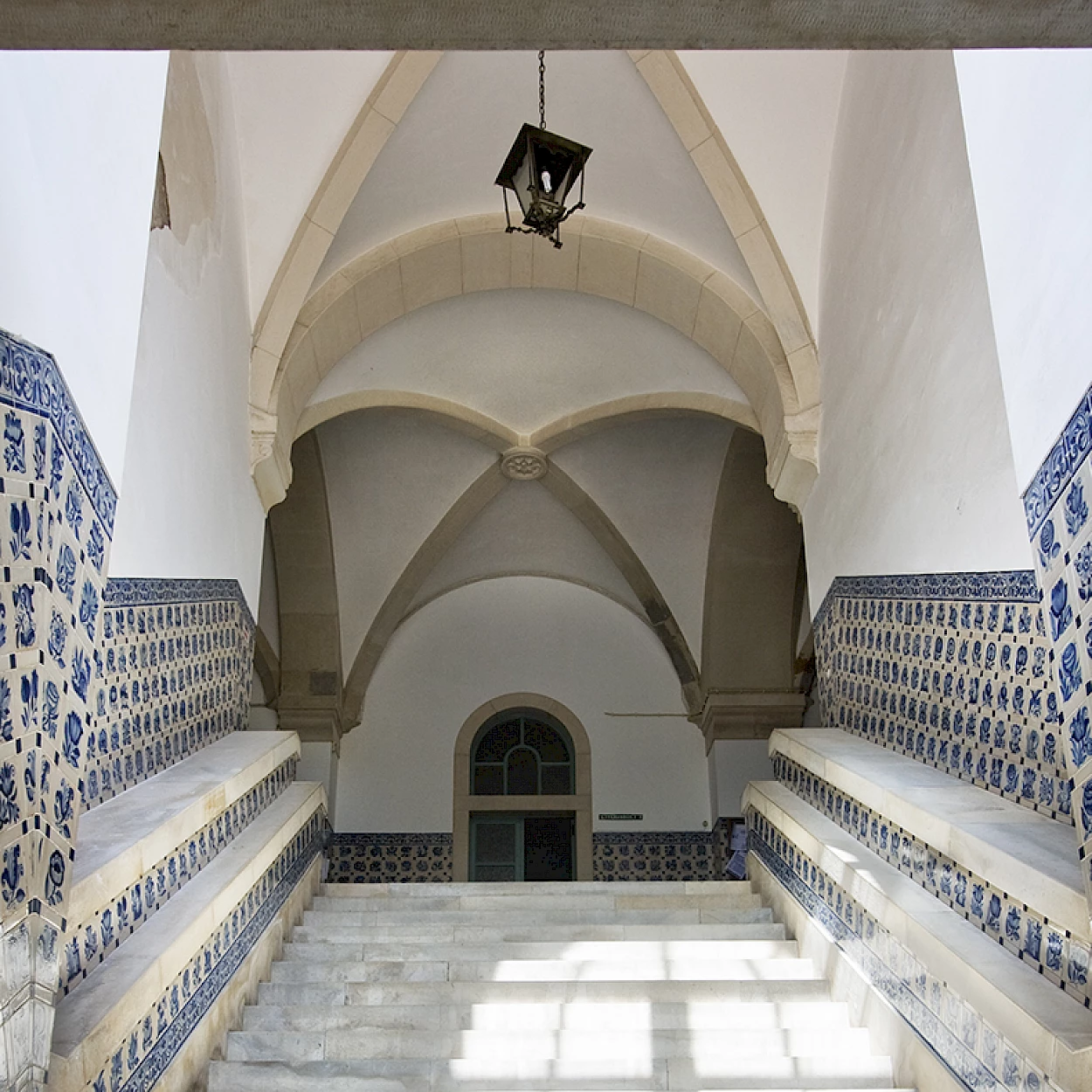
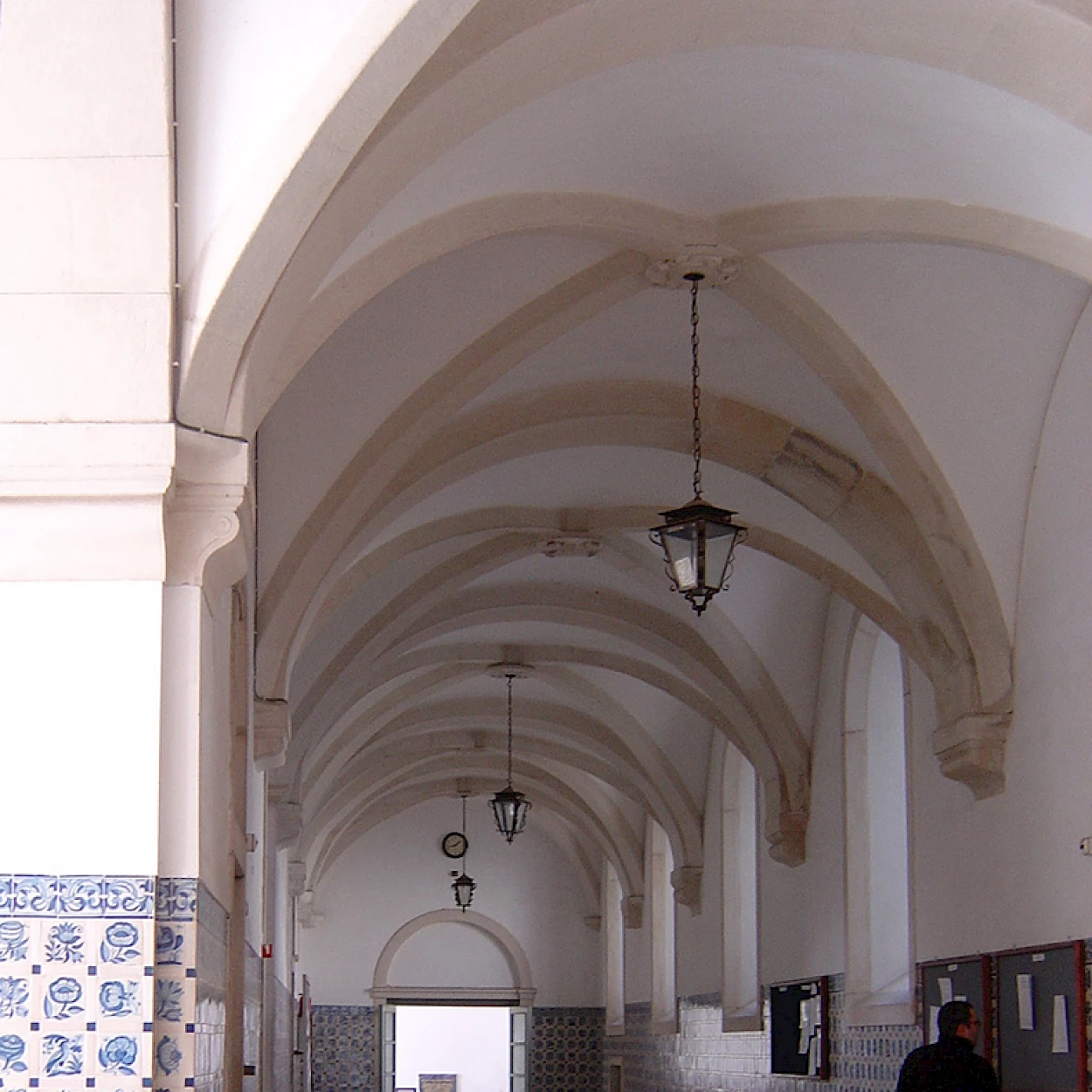
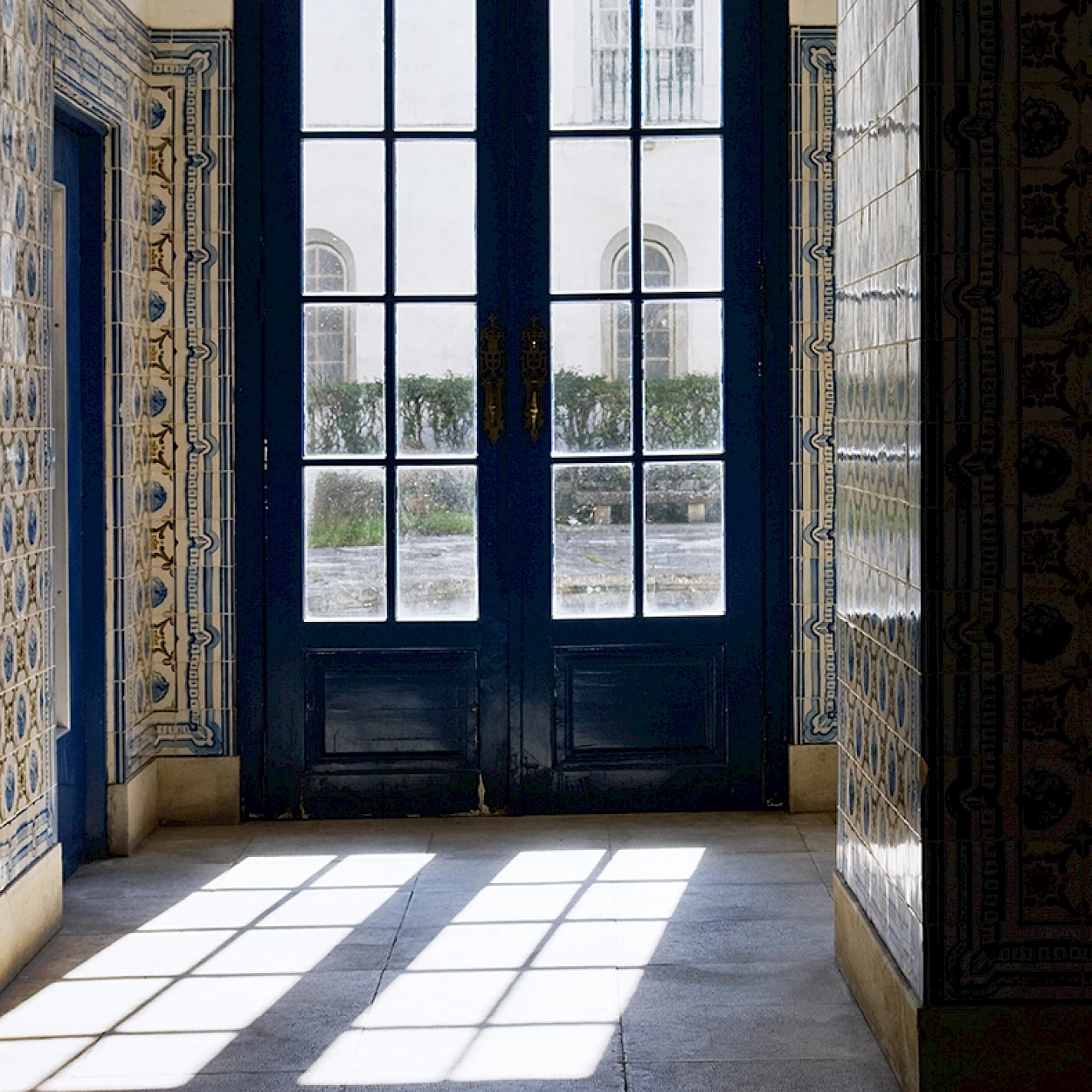
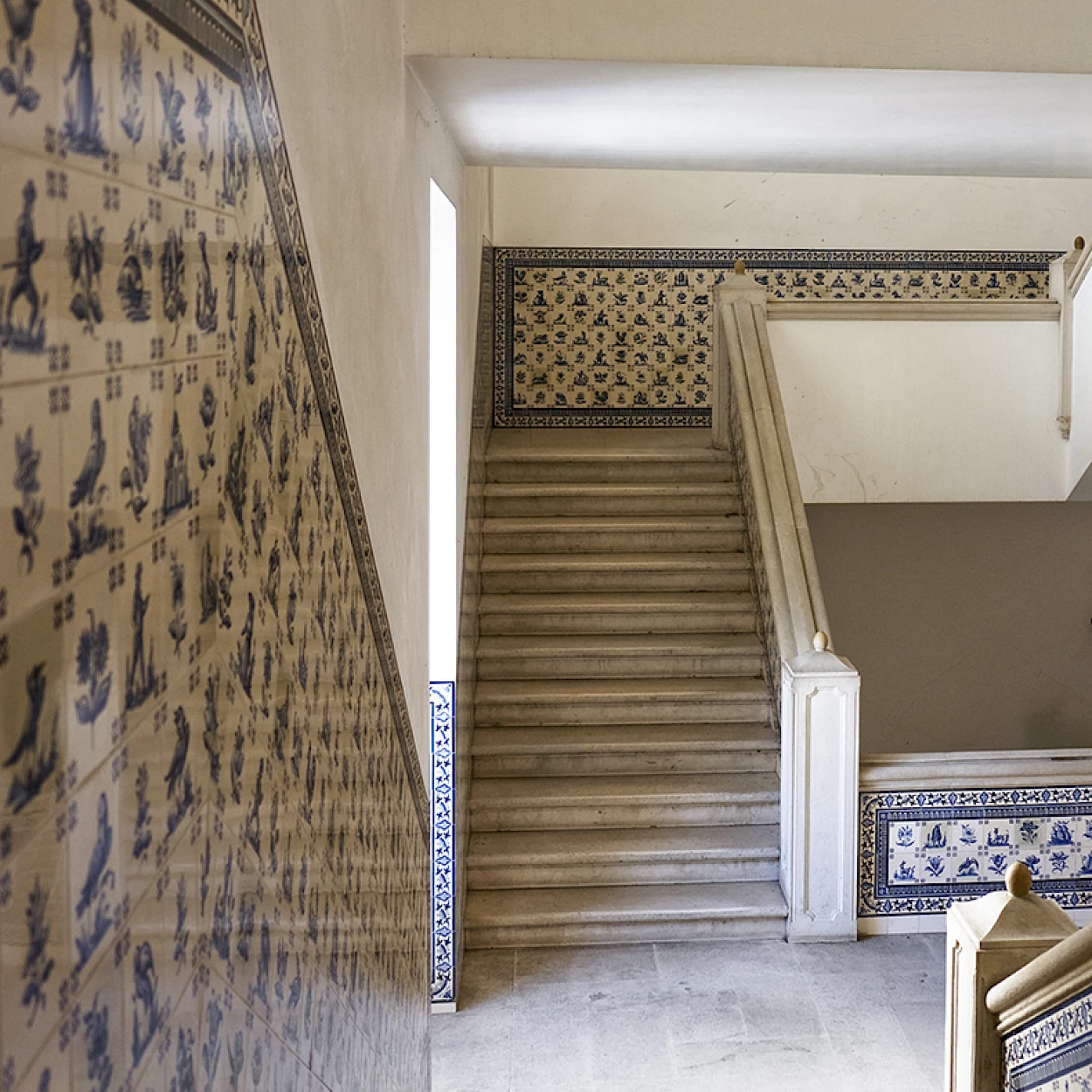
Severely damaged by the various functions it performed after the extinction of the religious orders in 1834 - first as military barracks and then as the Coimbra Lyceum, with the church functioning as a gymnasium and hall - from the 1940s onwards, the complex received successive improvement campaigns in order to effectively adapt it to the various services and institutes of the University, which was then undergoing a comprehensive remodelling to make way for the new University City. Among the main works were the arrangement of the main courtyard and the standardisation of rooms, corridors, atriums and staircases, in which tiles, reproduced from 17th century originals, were applied.
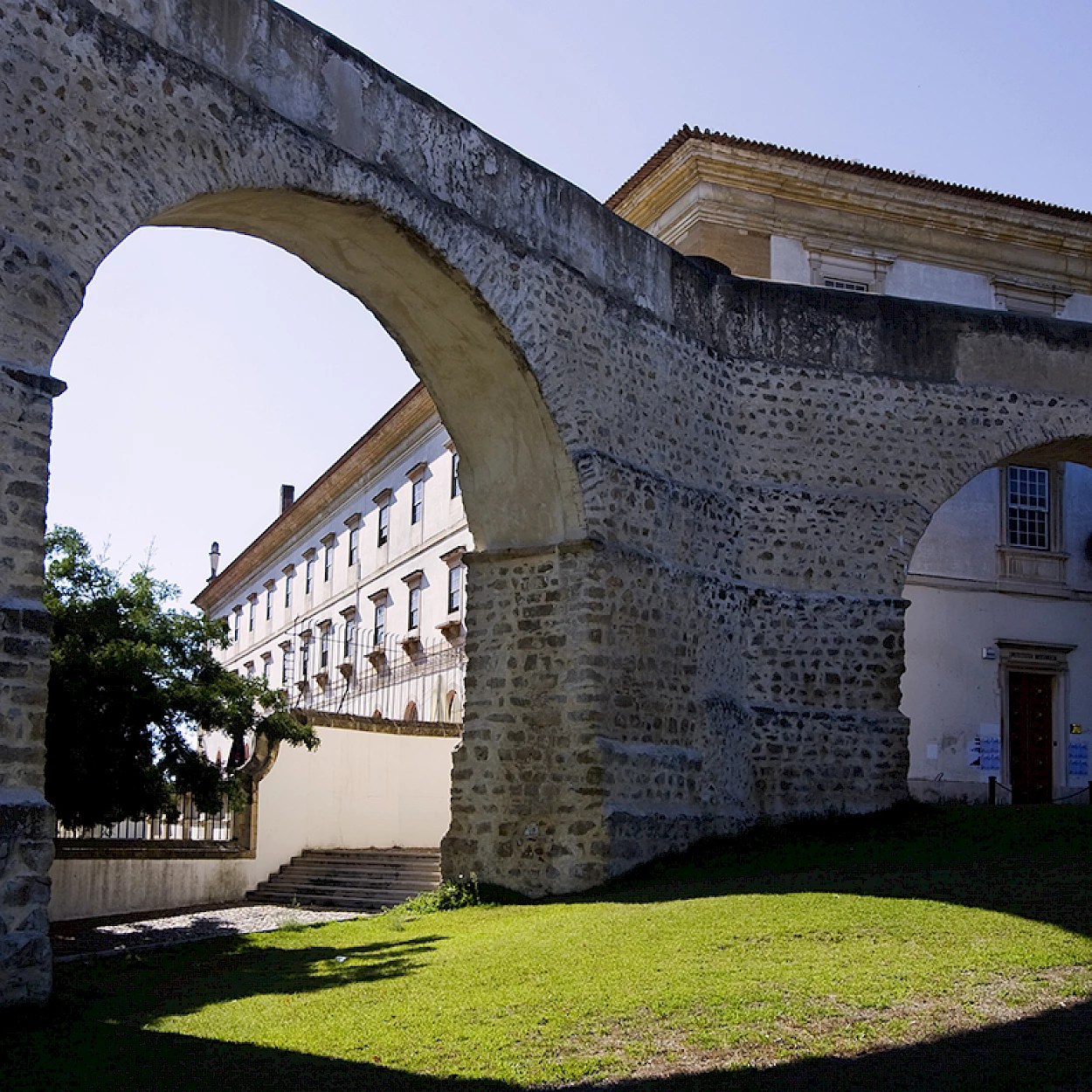
The College of São Bento is currently home to the Department of Life Sciences of the Faculty of Science and Technology of the University of Coimbra, as well as various administrative services of the neighbouring Botanical Garden.
The university colleges
When the University was definitively established in Coimbra in 1537 by order of King João III, the city was endowed with a series of collegiate buildings designed to receive students. Essentially built by different religious orders and bishops, they were a mixture of convent and student residence, with dormitories, refectories, study rooms, cloisters and churches. The first seven buildings in Rua da Sofia were joined by many others in the upper part of the city, totaling 25 in the 18th century.
In 1834, as part of the ‘General Ecclesiastical Reform’, all convents, monasteries, colleges and religious houses of all religious orders were abolished and their assets incorporated into the National Treasury. Many were reused as military barracks, hospitals, railway stations, etc., others were sold at public auction and bought by private individuals. In all cases, the change in functions and uses was radical.