


Designation
Botanical Garden
Current occupation
Garden
Ownership
University of Coimbra
Art-historical characterisation
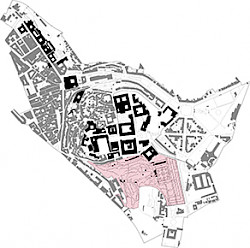
The Botanical Garden originated in the great reform of the University in 1772, on the initiative of the Marquis of Pombal, allowing students to study living species, in line with the practical and experimental teaching that was intended to be introduced at the University of Coimbra. The 1773 project was the result of cooperation between the garden's first director, Domenico Vandelli, with William of Elsden, an English military engineer, and João António Dalla Bella, a professor of experimental physics. The second director, the Portuguese Félix de Avelar Brotero, who had a doctorate in medicine and wrote Flora Lusitana (1804), promoted the construction of the flower beds in the Central Square.
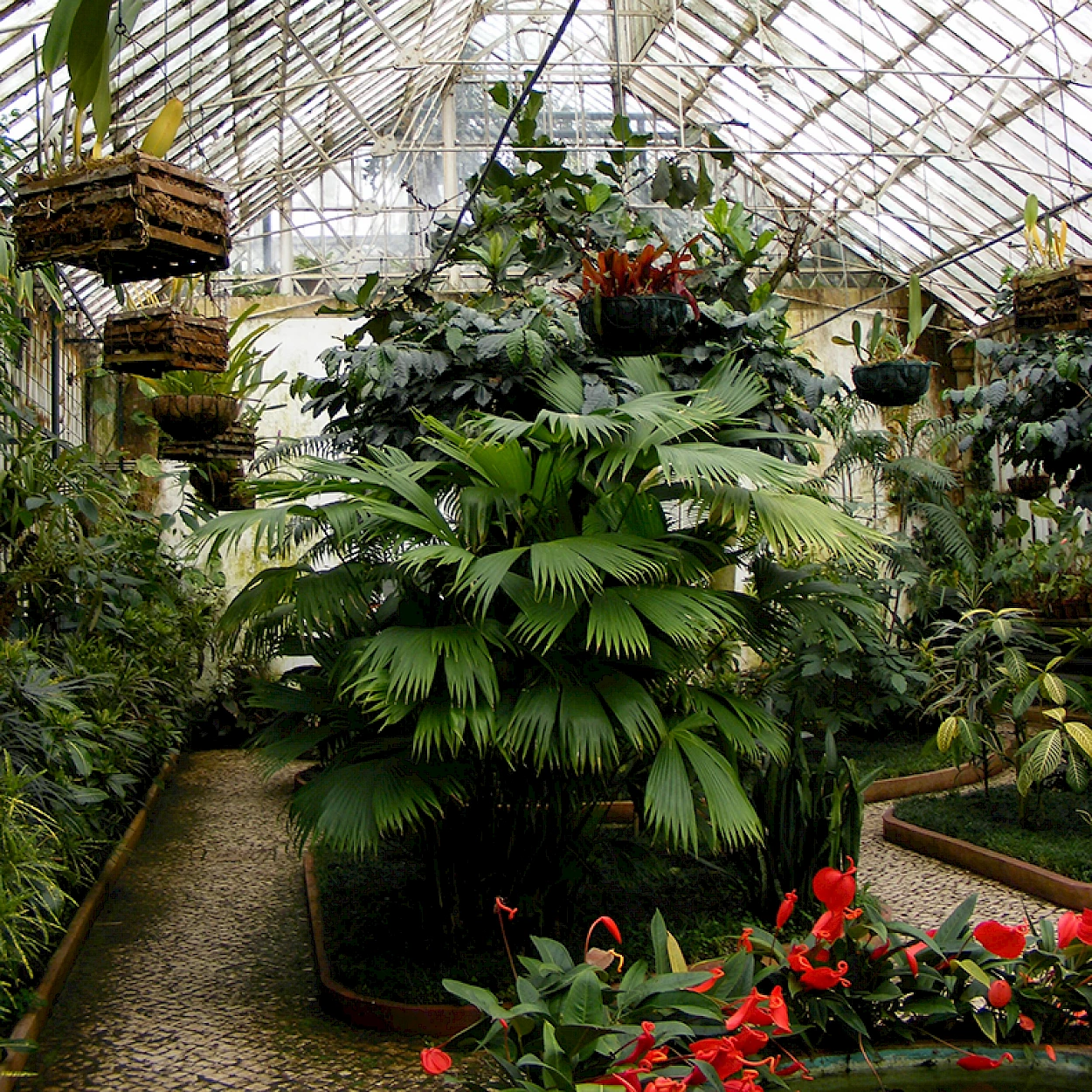
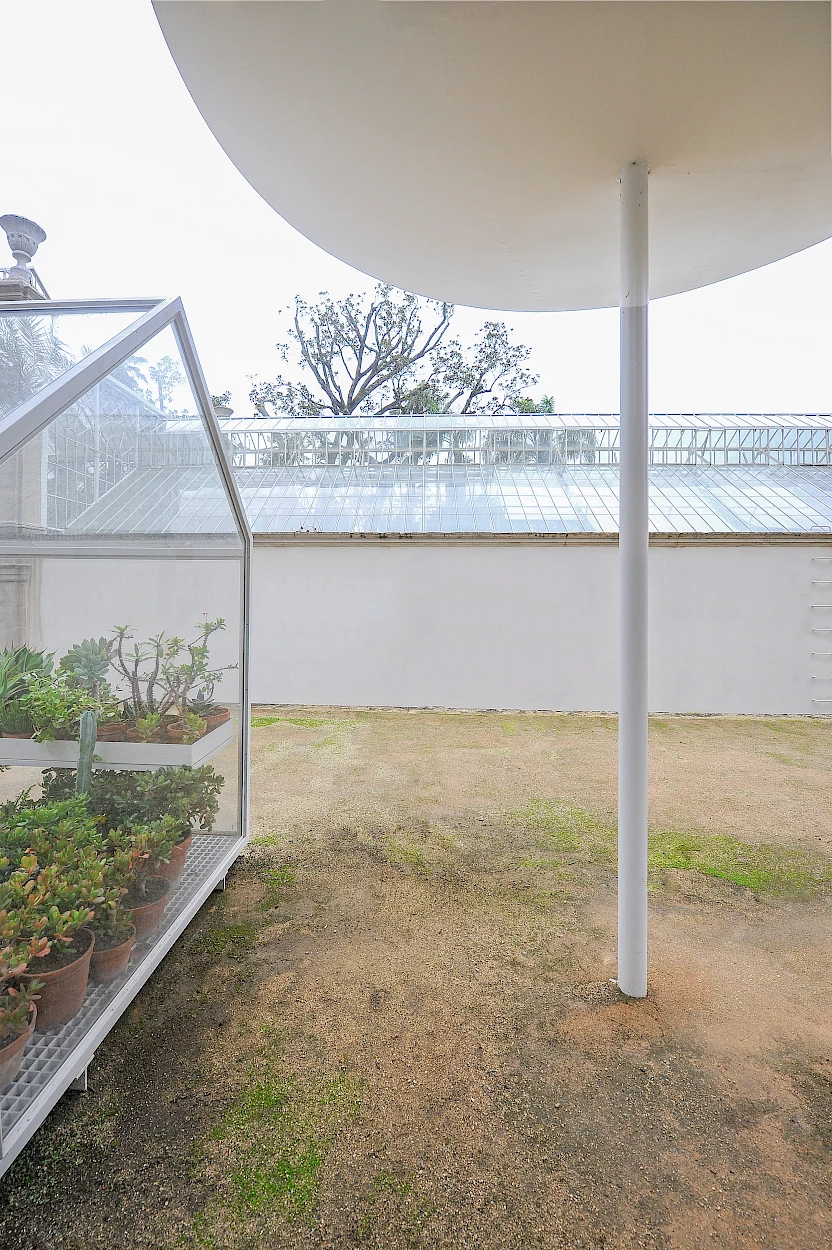
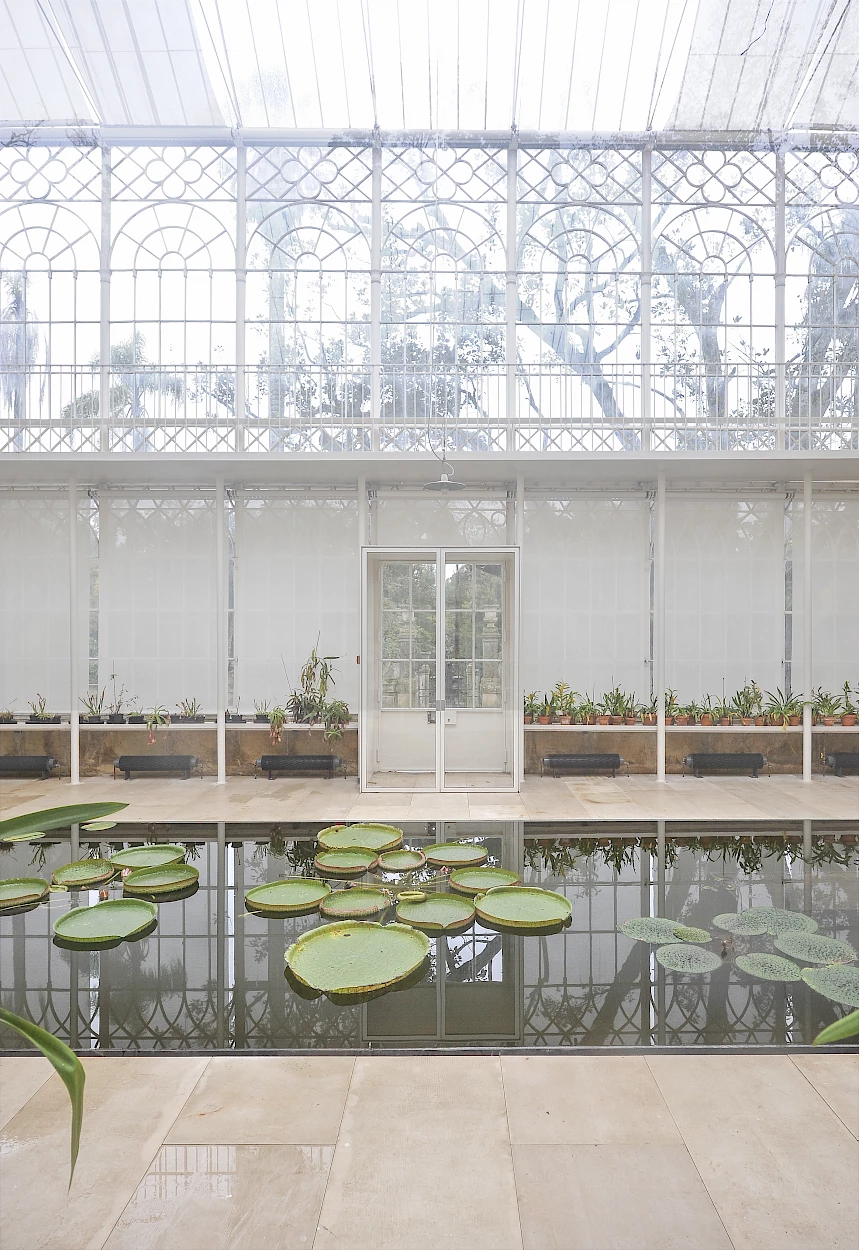
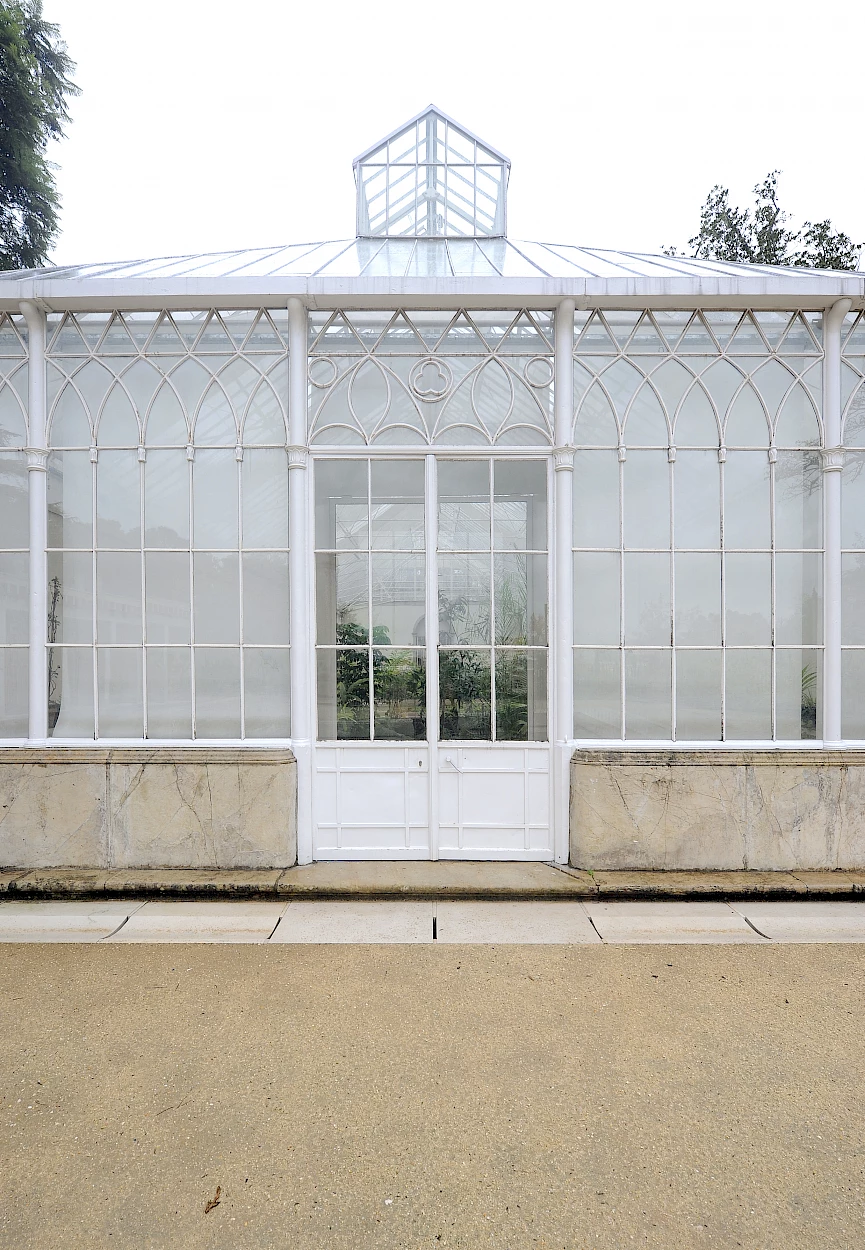
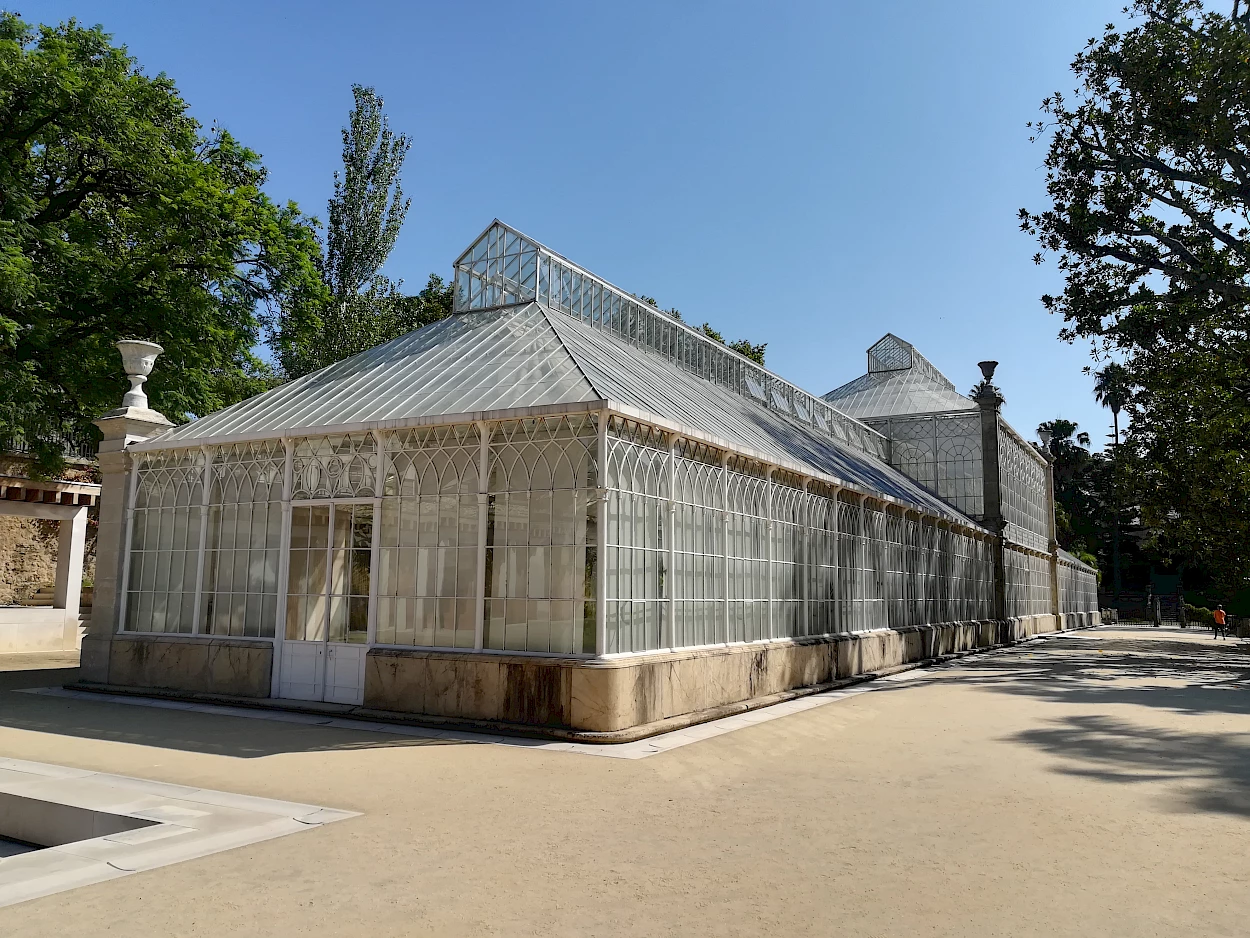
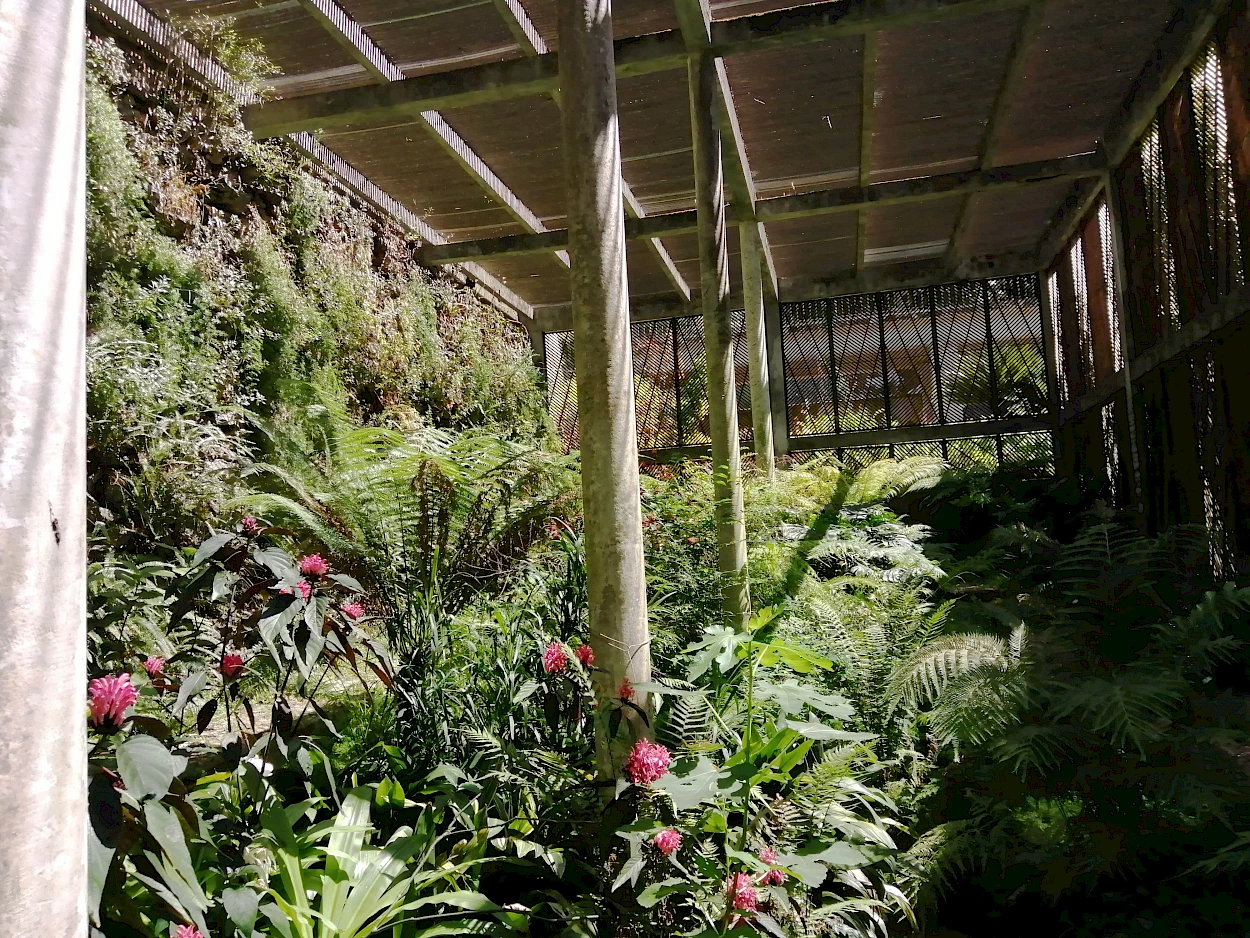
Over time, new biological collections and architectural structures have been introduced to the garden. One example is the Estufa Grande, considered to be one of the oldest iron and glass architecture buildings in Portugal. Built between 1859 and 1865, it was renovated in 2017 as part of a project that won the National Urban Rehabilitation Prize in the category of Best Intervention with Social Impact, designed by João Mendes Ribeiro.
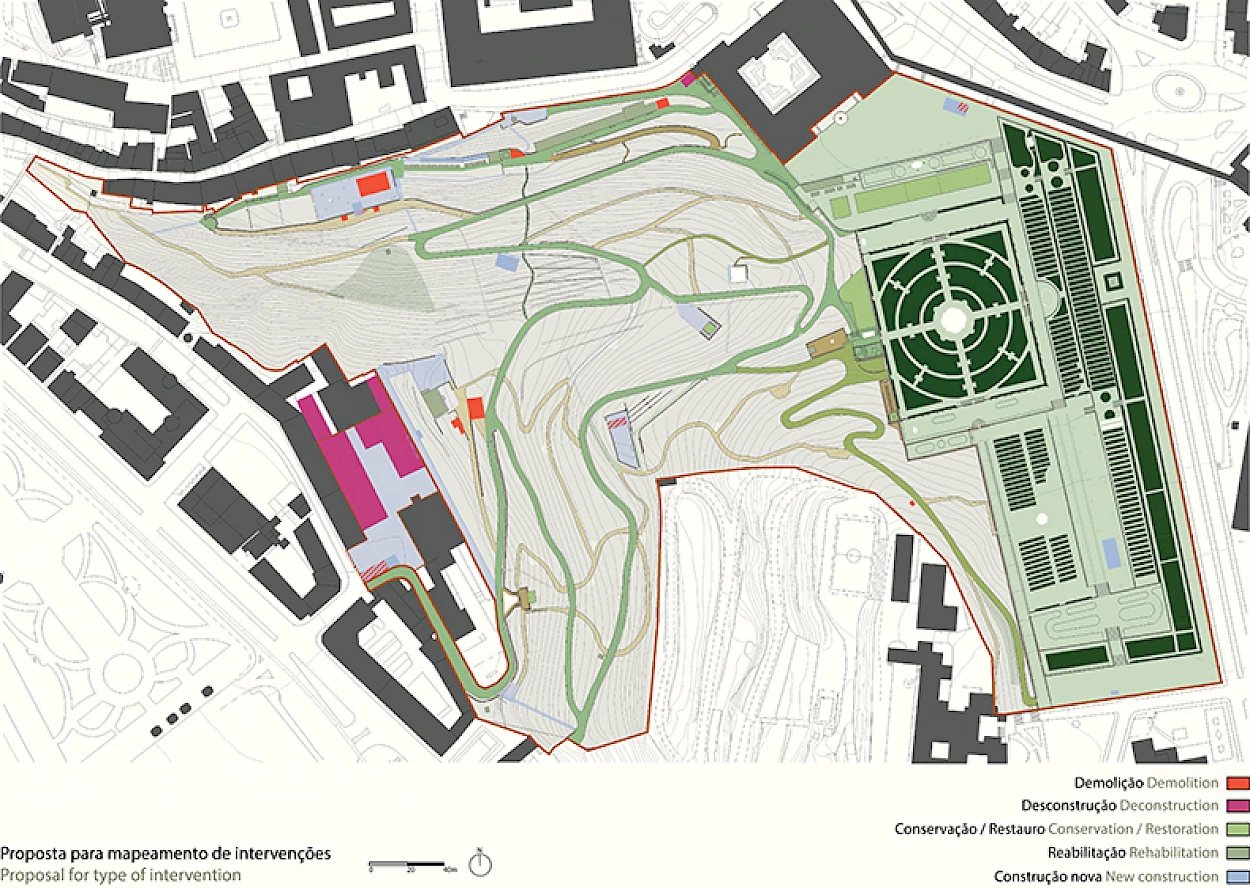
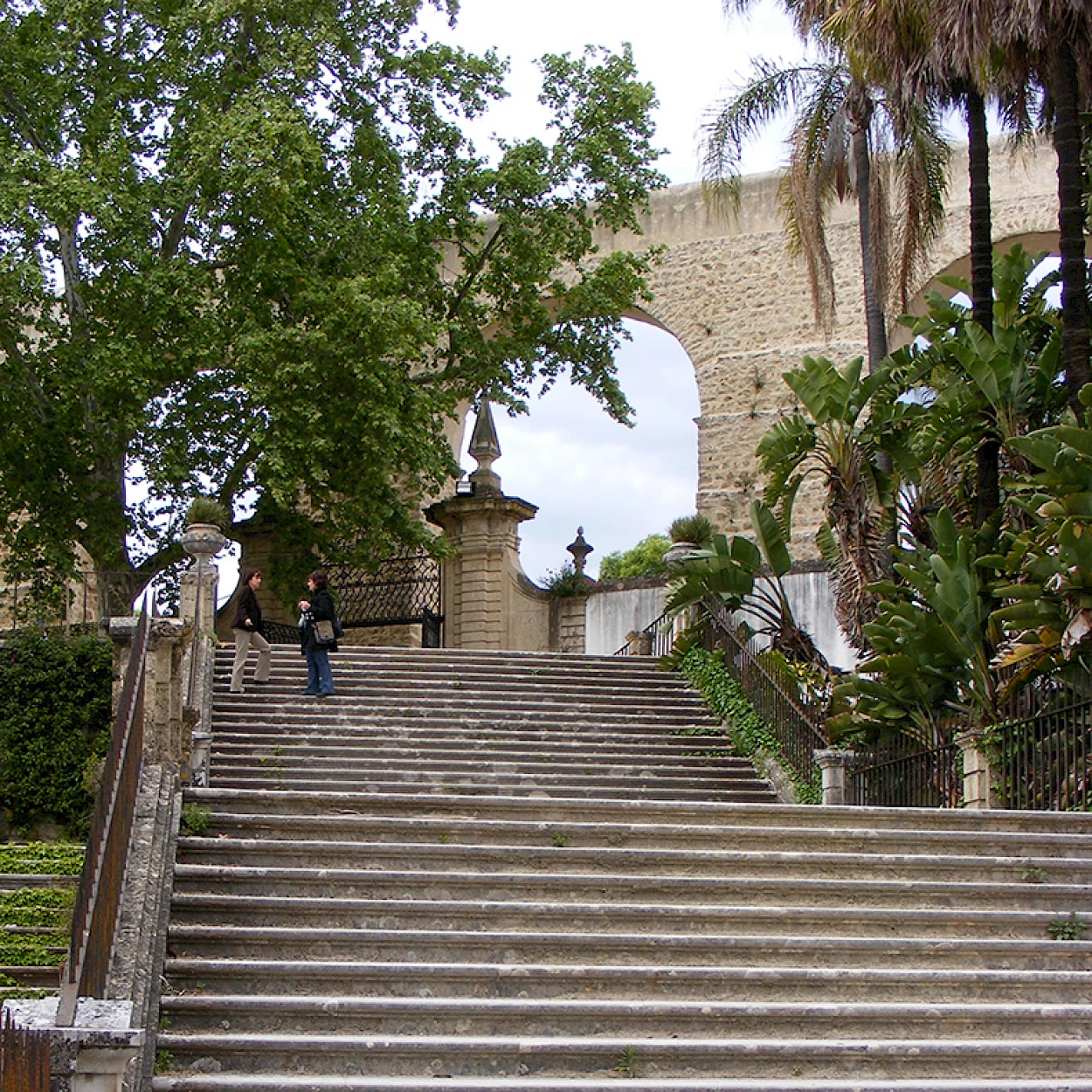
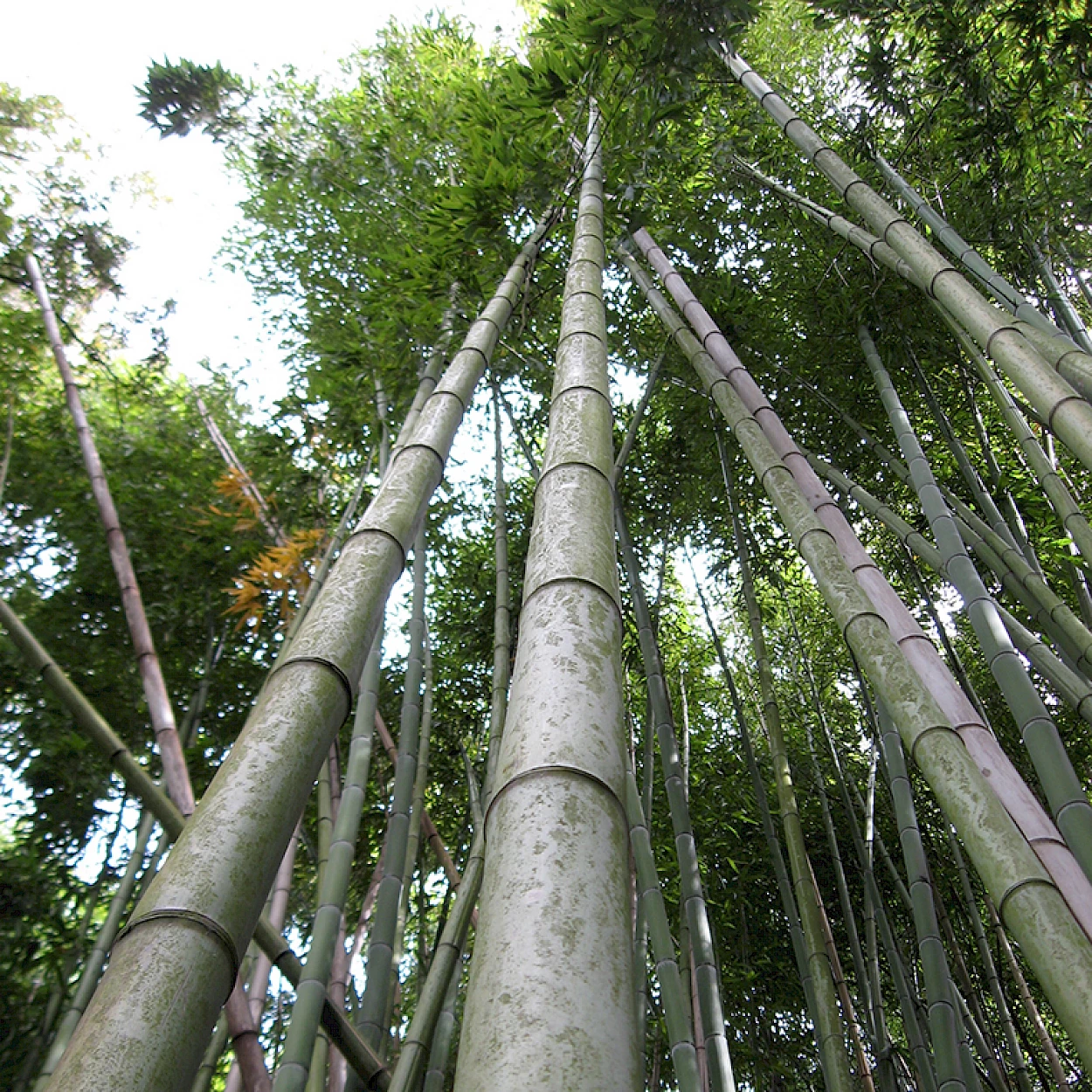
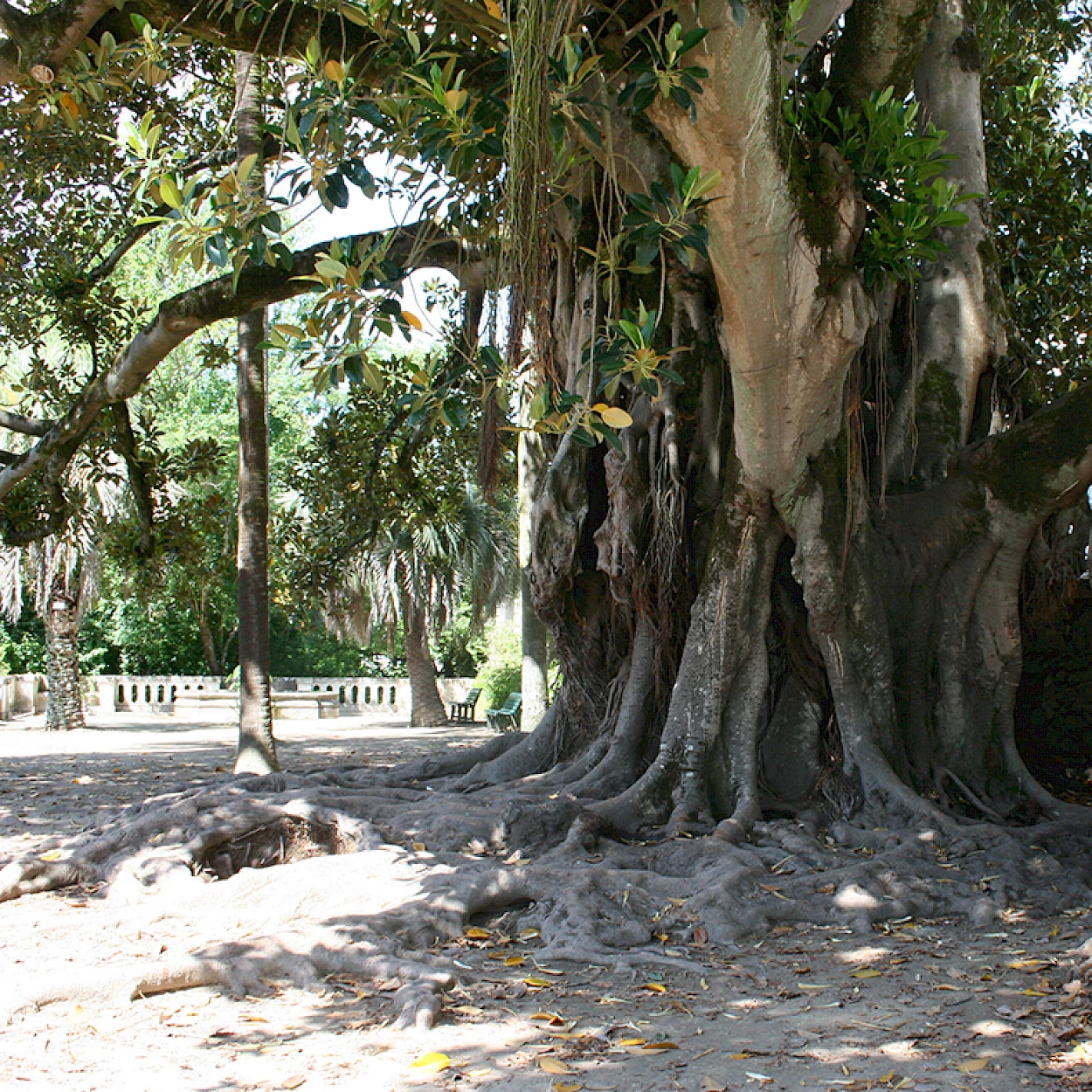
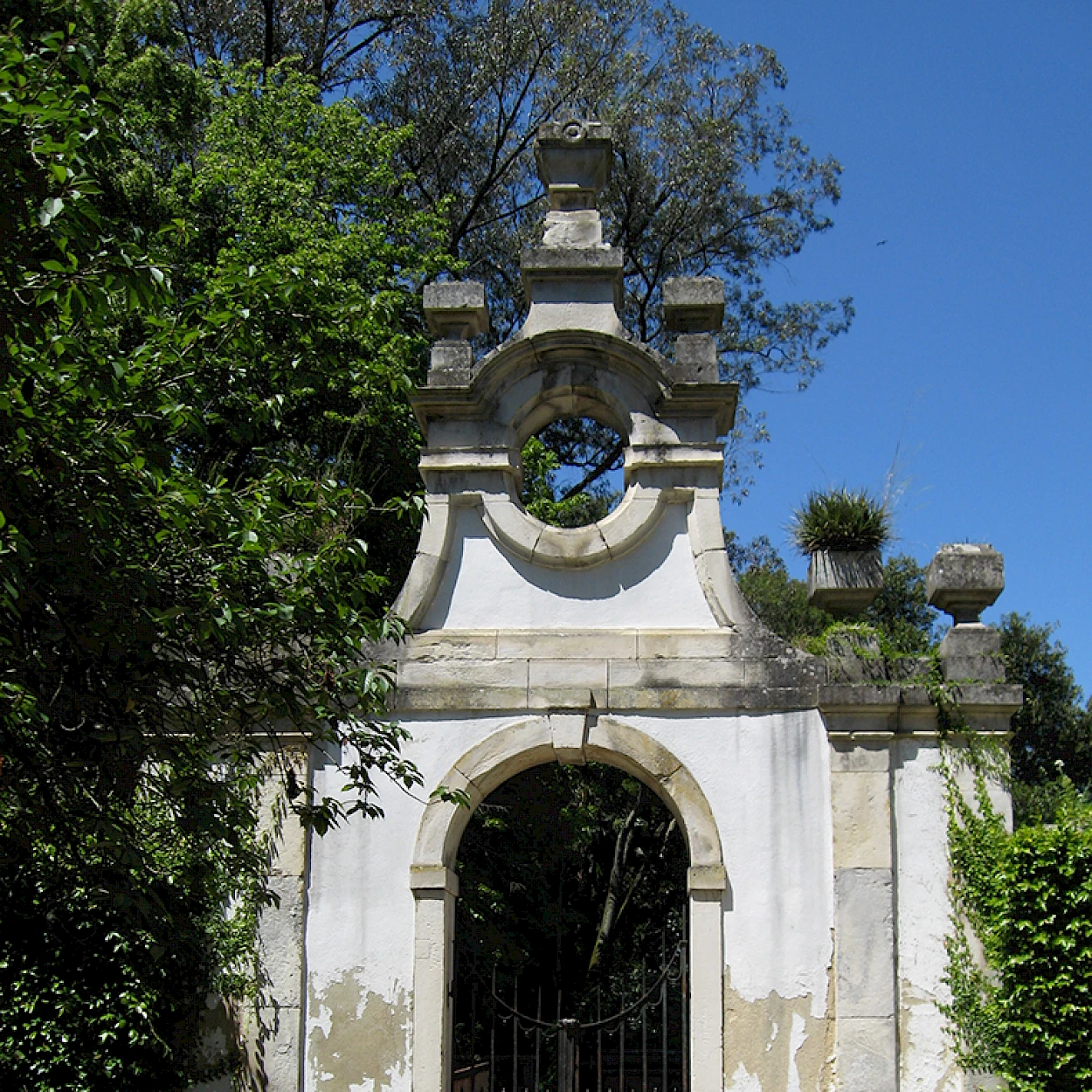
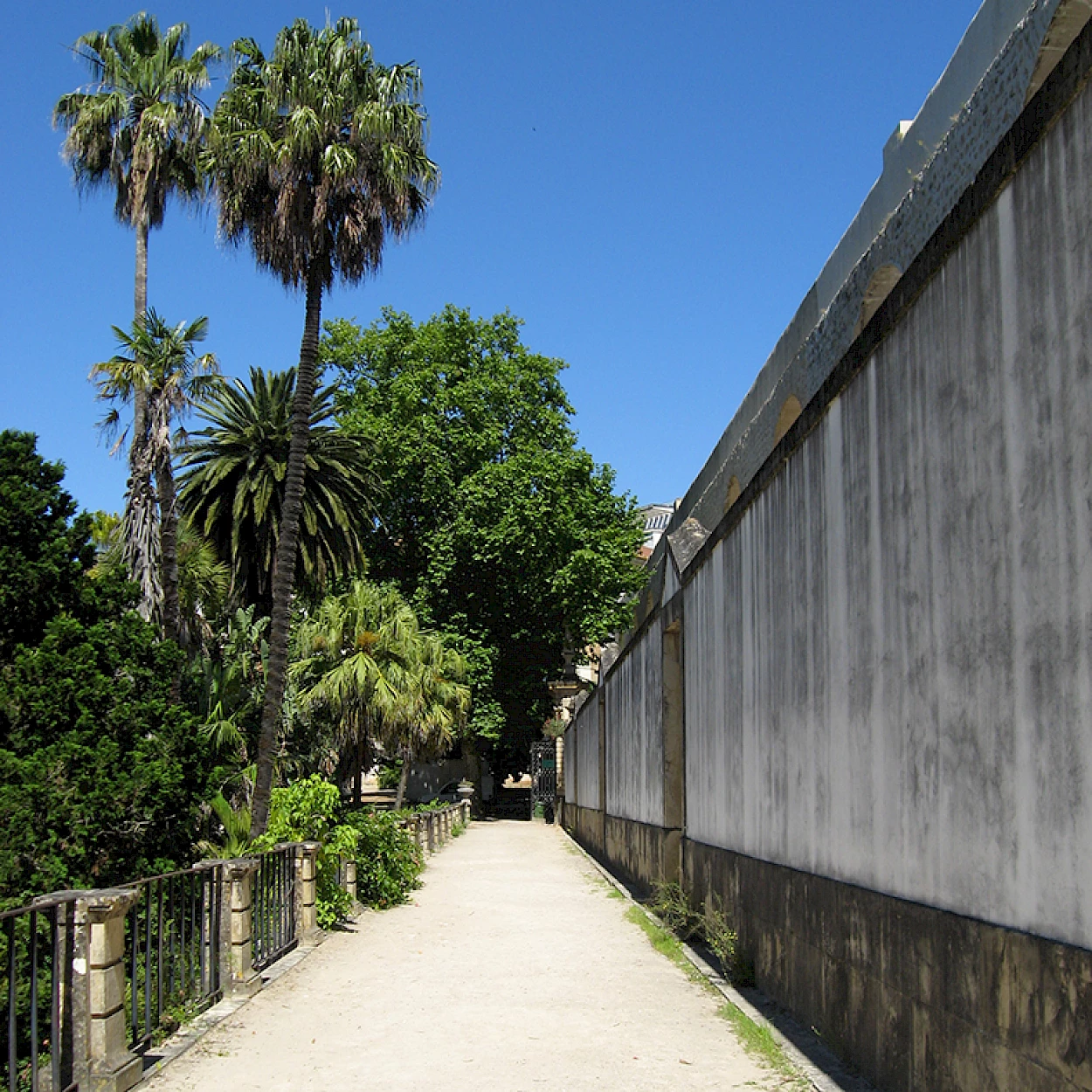
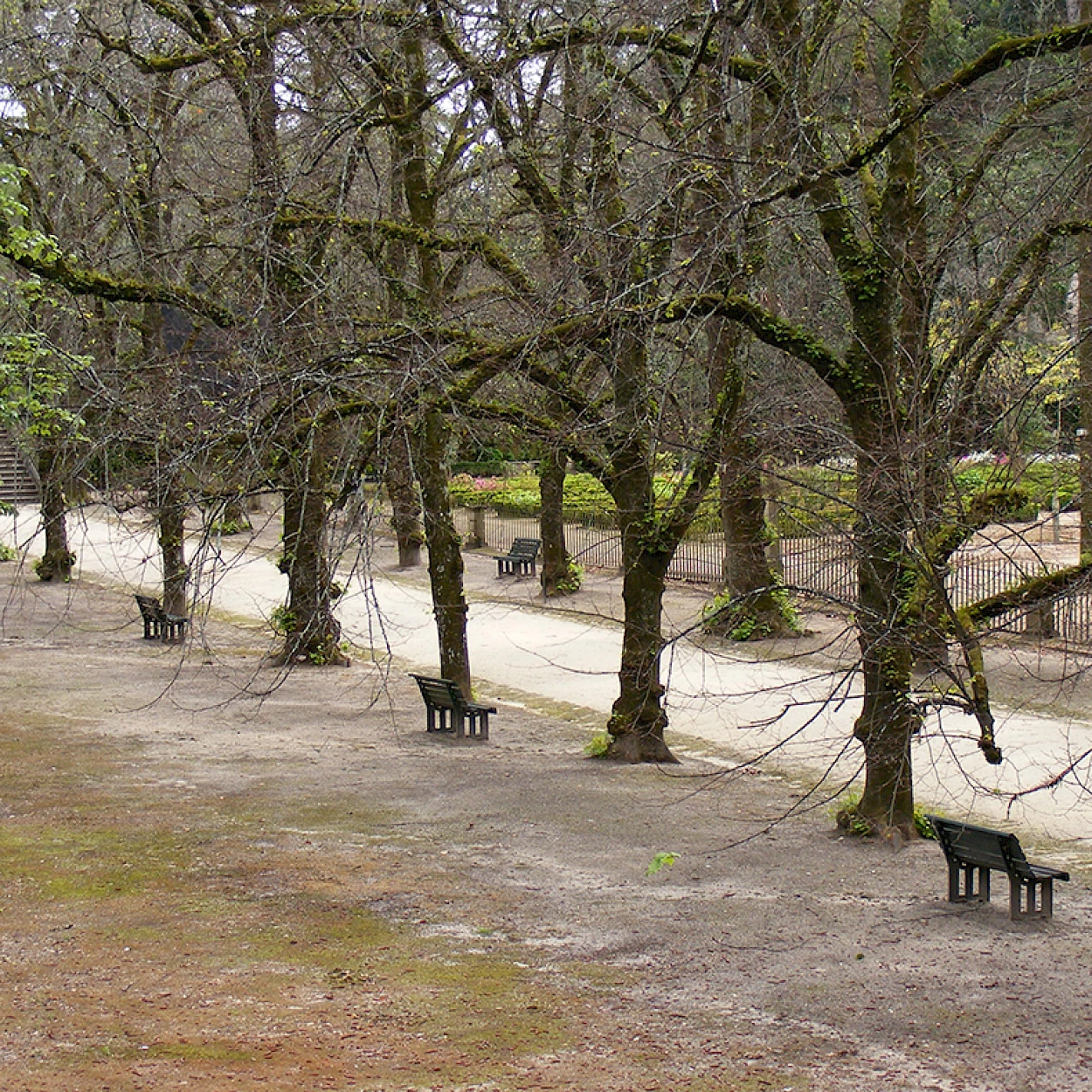
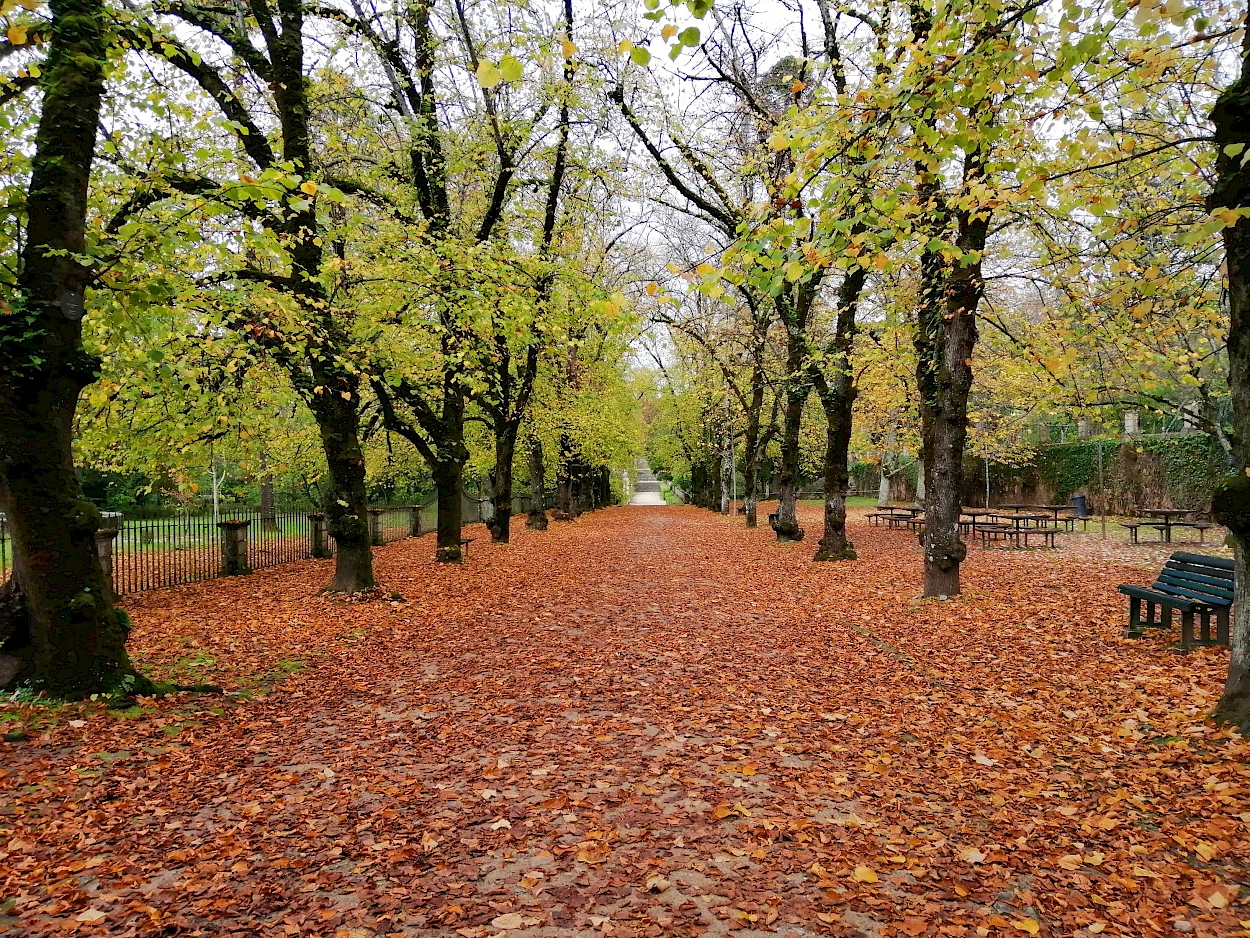
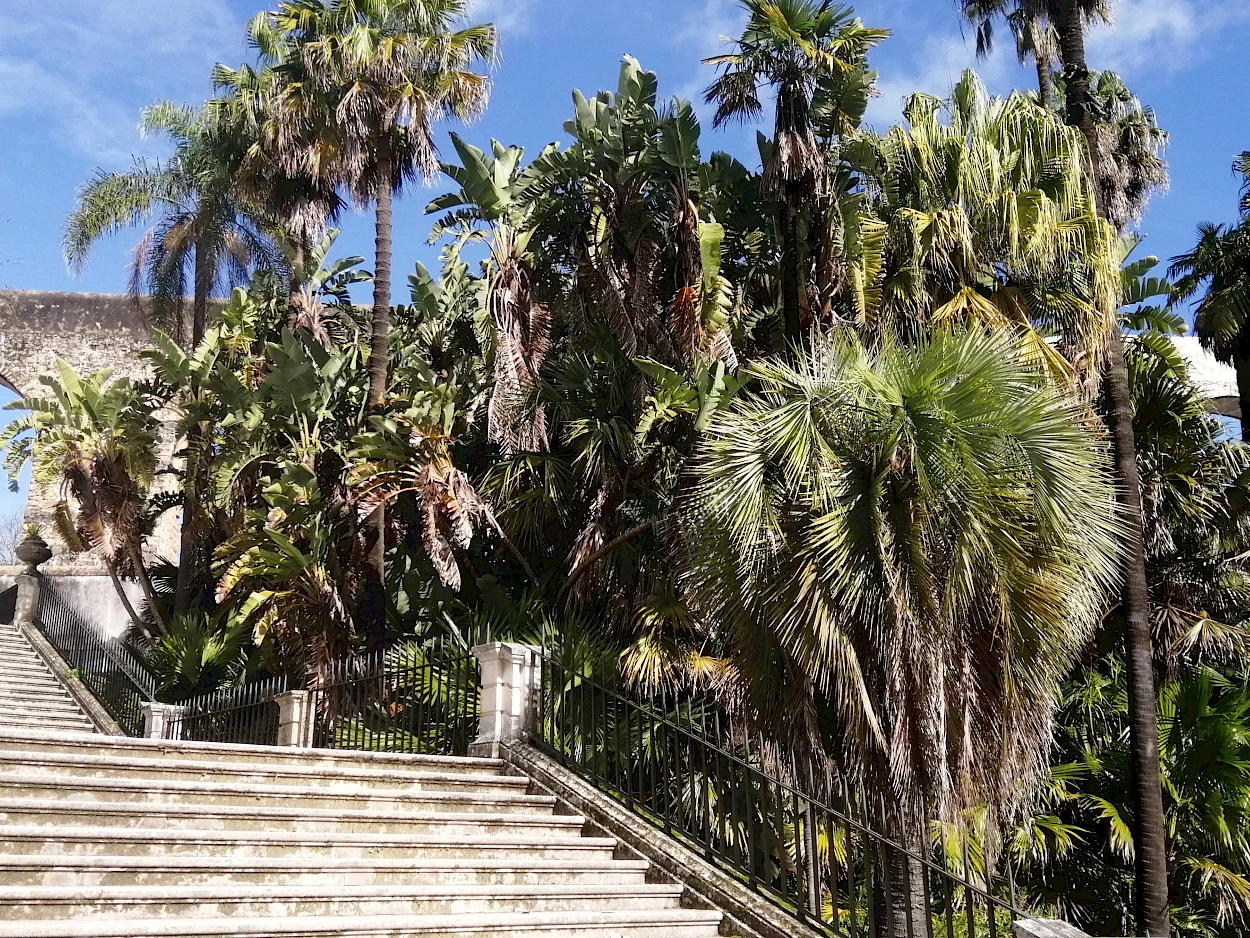
The Garden is currently organized into two distinct parts: the Classic Garden and the Forest. The first part, designed in the neoclassical style, is organized into terraces and boulevards, with stonework walls and wrought iron gates. As for the Forest, which occupies around two thirds of the total area, in addition to a great diversity of trees and shrubs, representative of different phytogeographic regions, there are some buildings such as the chapels of São Bento and Santo Ilídio and the Três Bicos Fountain.