


Designation
Sub-Ribas Palace
Current occupation
Archaelogy Section of the Faculfty of Arts and Humanities
Ownership
University of Coimbra
Art-historical characterisation
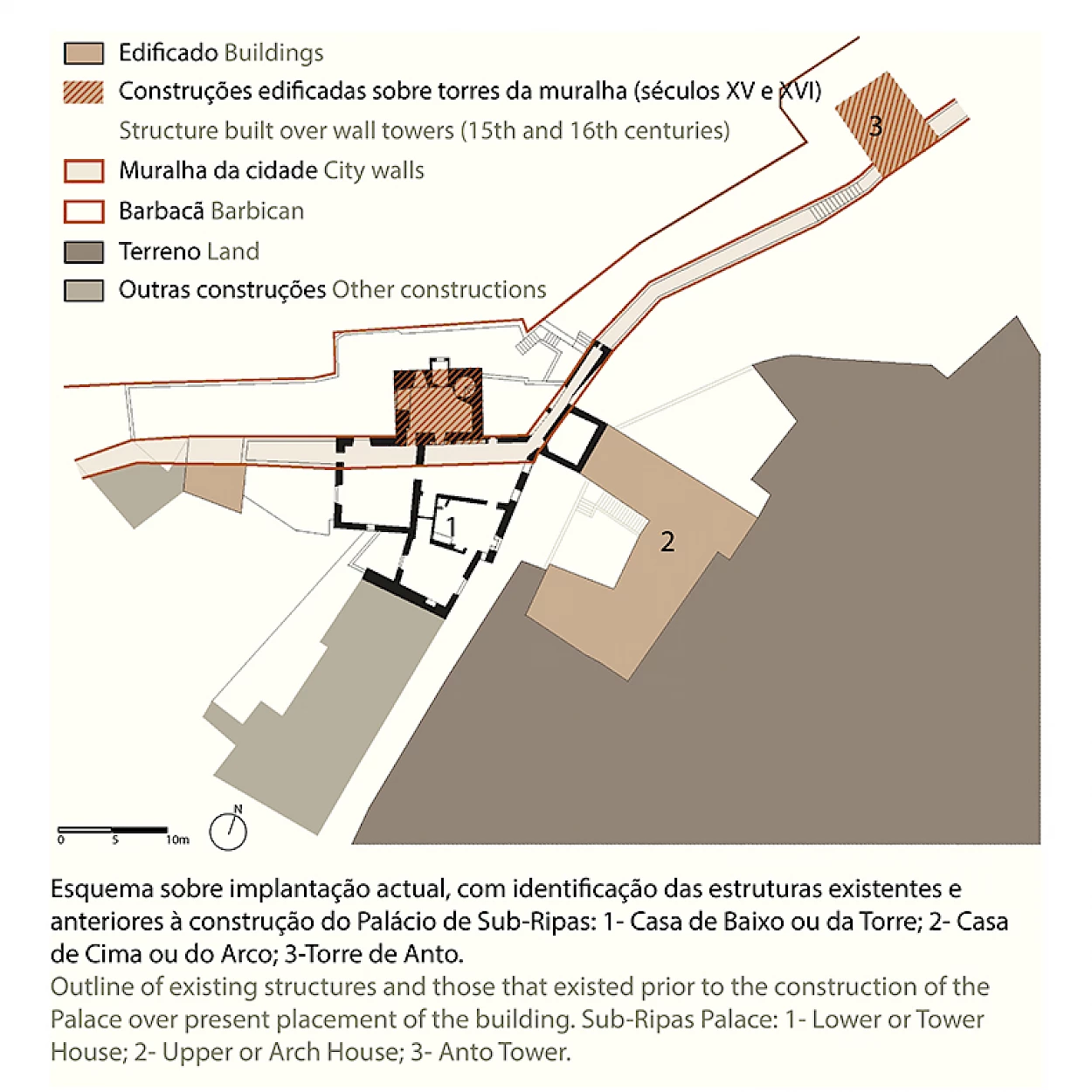
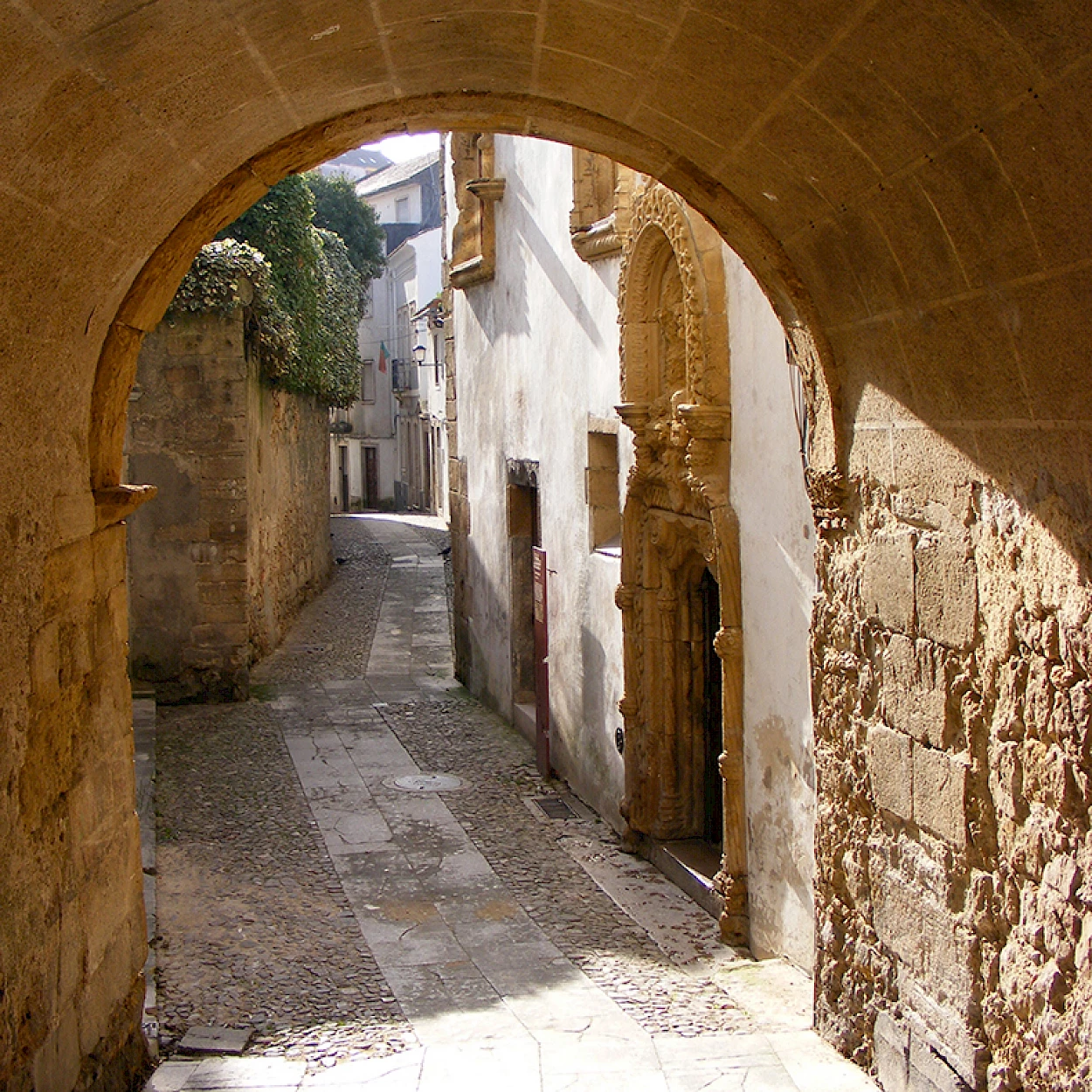
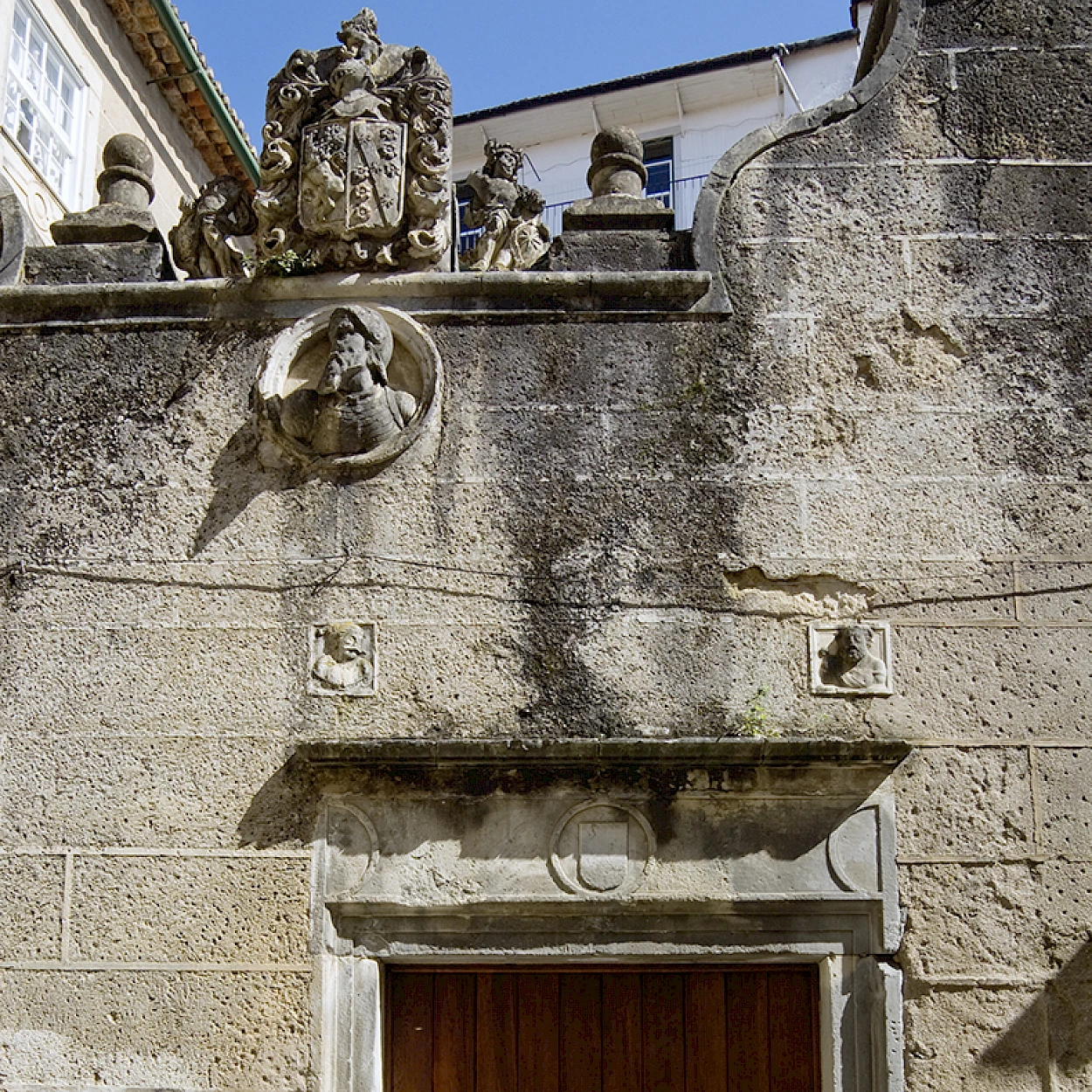
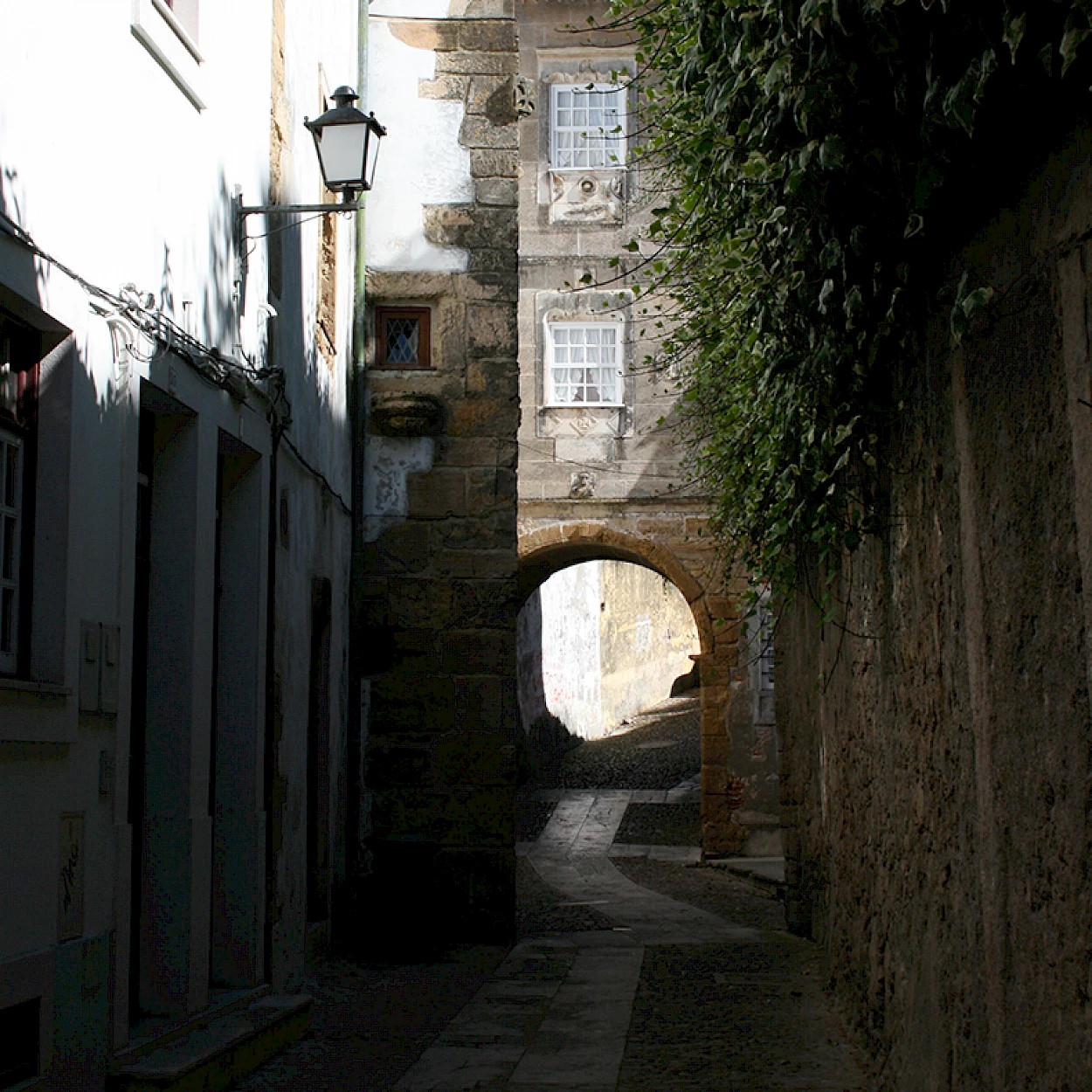
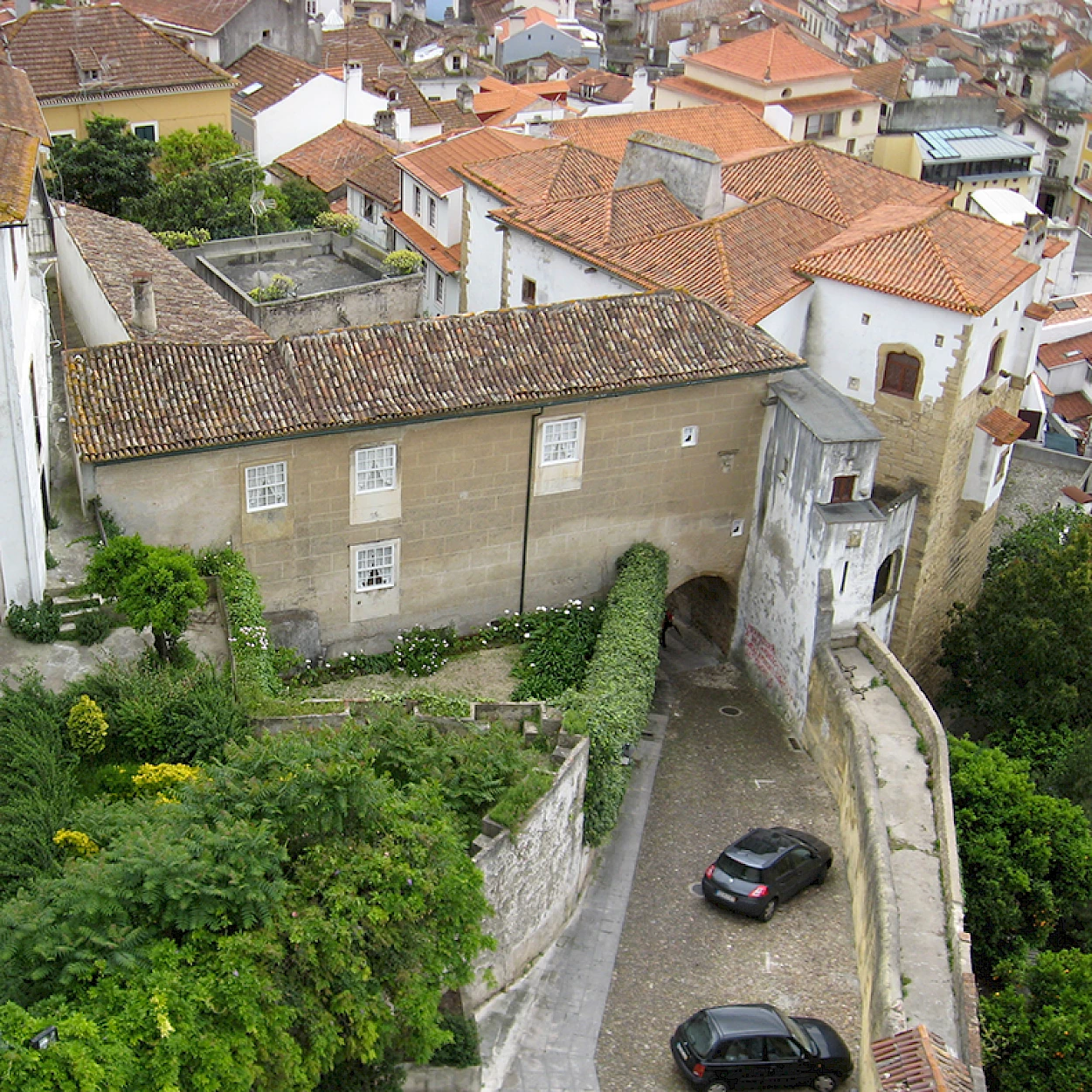
The Palácio de Sub-Ripas, built in the 16th century by João Vaz, consists of two buildings: the Casa de Baixo ou Casa da Torre (Lower House or Tower House), which occupied an old military tower on the city wall and depicts the Manueline style, and the Casa de Cima ou Casa do Arco (Higher House or Arch House), built a few years later on the opposite side of the street, one of the most interesting example of Renaissance domestic architecture in Coimbra. The two were connected by the construction of an arched walkway over the street.
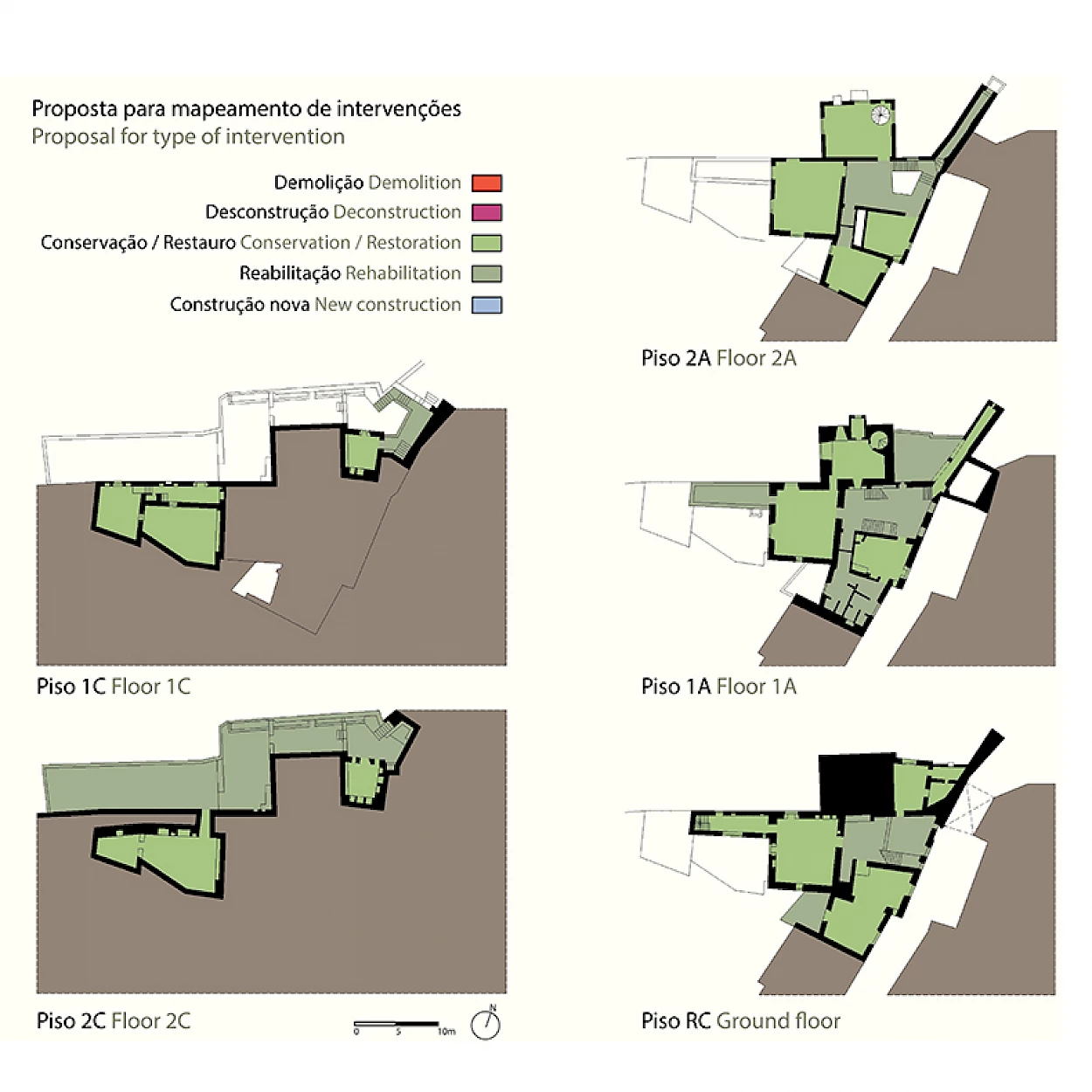
The Casa da Torre, acquired by the State in 1974, was the target of a programme of improvements and reconstruction in the following decades, with the aim of preventing its total disfigurement. The last intervention, after the purchase of the building by the University in 1987, was directed by architect António Madeira Portugal and was honoured with the Europa Nostra award. Casa de Cima has remained a private dwelling to this day.
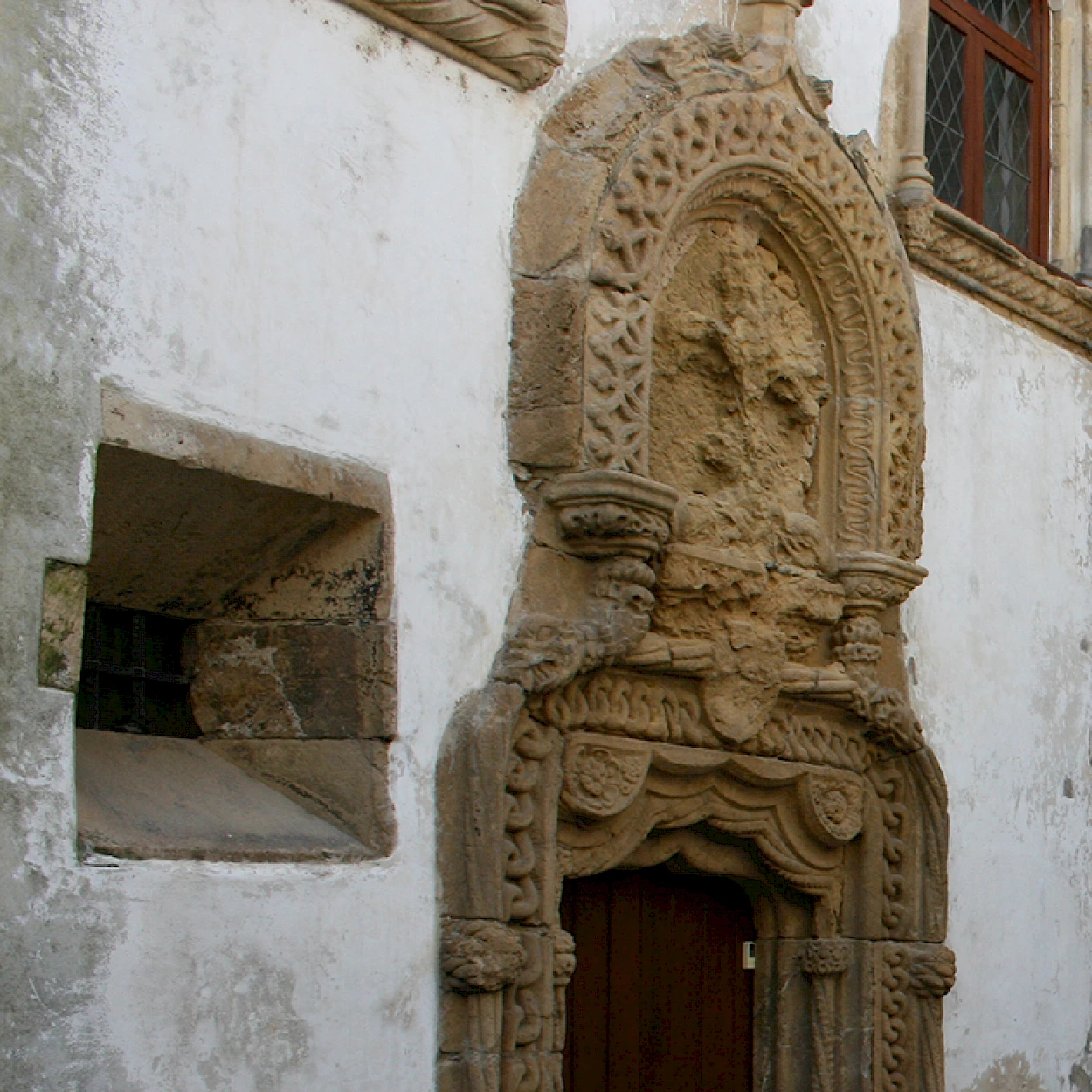
With an elaborate Manueline portal, the interior of Casa da Torre stands out for its patios, balconies and windows opening onto the landscape. In various interior rooms you can still find several Manueline doorways and windows and countless Renaissance sculptural reliefs, acquired by the owner, João Vaz, from the neighbouring workshop of the sculptor João de Ruão, probably the most famous artist of 16th century Coimbra.
The Archaeology Section of the University of Coimbra is currently housed in Casa da Torre.
The university colleges
When the University was definitively established in Coimbra in 1537 by order of King João III, the city was endowed with a series of collegiate buildings designed to receive students. Essentially built by different religious orders and bishops, they were a mixture of convent and student residence, with dormitories, refectories, study rooms, cloisters and churches. The first seven buildings in Rua da Sofia were joined by many others in the upper part of the city, totaling 25 in the 18th century.
In 1834, as part of the ‘General Ecclesiastical Reform’, all convents, monasteries, colleges and religious houses of all religious orders were abolished and their assets incorporated into the National Treasury. Many were reused as military barracks, hospitals, railway stations, etc., others were sold at public auction and bought by private individuals. In all cases, the change in functions and uses was radical.